


Victoria and Albert Museum (V&A)
The application of digital media technology in museum display cases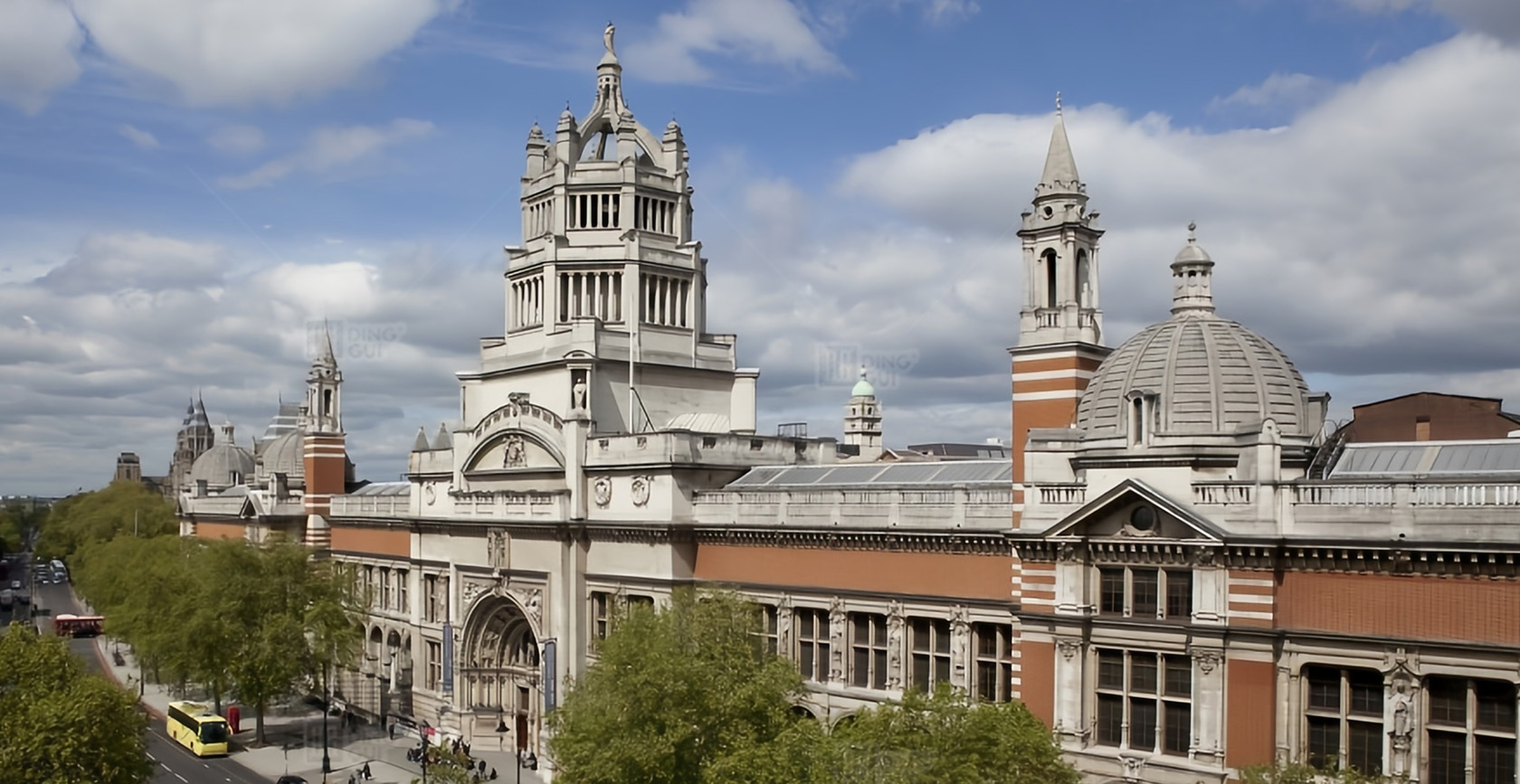 Victoria and Albert Museum (V&A)
UK
2017
Project Briefing and Building Overview: The V&A is the world's leading art and design museum, housing more than 2.8 million objects, books and archives spanning more than 5,000 years of human creativity. The museum houses many of the British national collections and houses some of the greatest resources in architecture, furniture, fashion, textiles, photography, sculpture, painting, jewellery, glass, ceramics, book art, Asian art and design, theatre and performance. The V&A's mission is to be recognised as the world's leading museum of art, design and performance and to enrich people's lives by promoting the research, knowledge and enjoyment of the world of design to the widest possible audience. Within this context, the museum strives to achieve six strategic objectives, one of which is to showcase the best in digital design and provide an exceptional digital experience. Therefore, digital media technology is a developing trend in museum showcases.
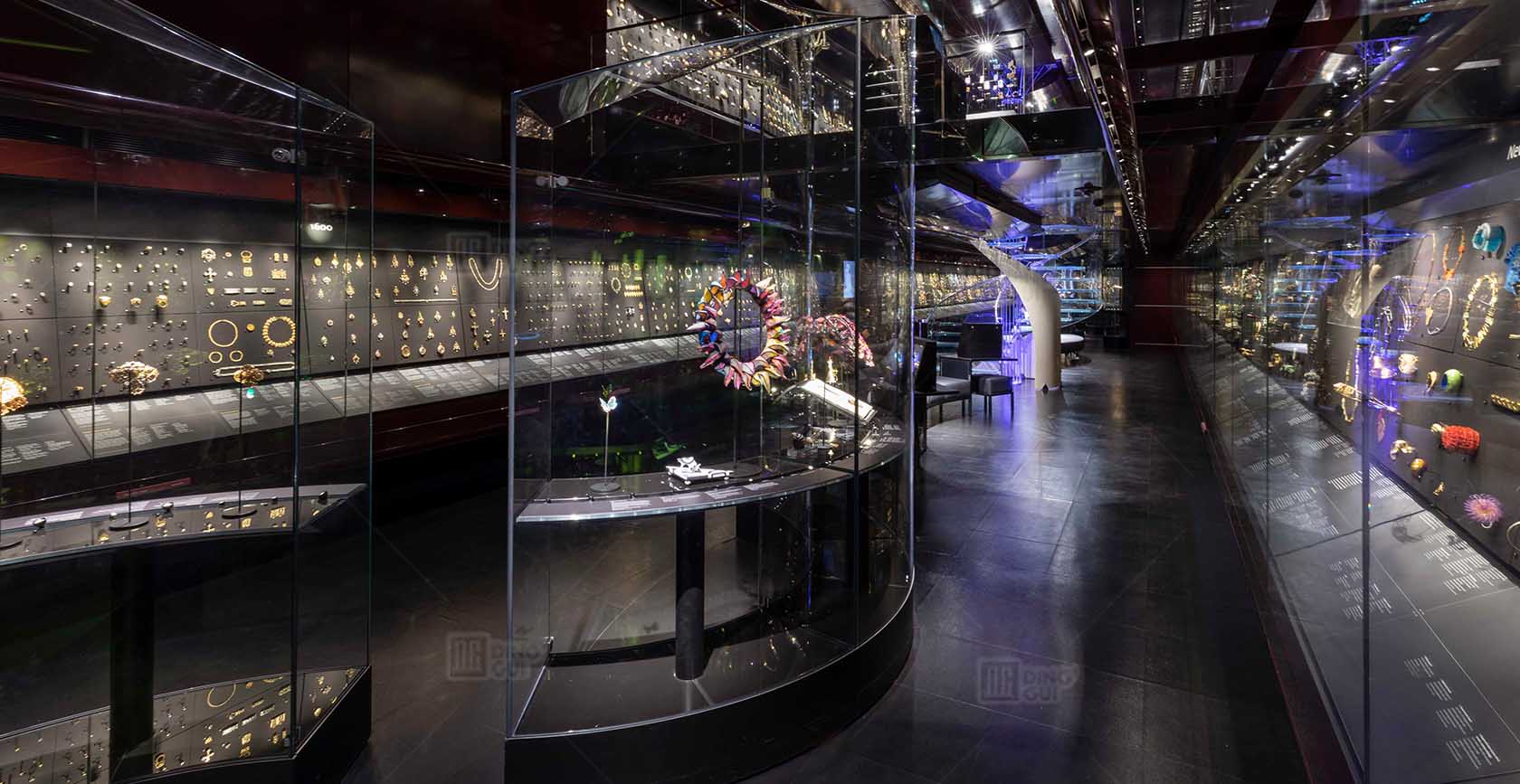
When digital media technology is integrated into museum displays, it brings many ways to innovate and enhance the experience. The use of this technology is not only to display cultural relics and artworks, but also to organically combine history and modern technology to provide a richer and deeper interactive experience for the audience. Here are some common digital media technologies used in museum displays:
1. Touch screen and interactive display
Information interaction: Touch screens can be used to provide more information and multimedia content, including pictures, videos, text and sound.
Interactive: Visitors can interact with the exhibits through the touch screen, learn more about the relevant information, and gain an in-depth understanding of the history, culture and background of the exhibits.
2. Virtual Reality (VR) and Augmented Reality (AR)
Immersive experience: Using VR technology, visitors can immerse themselves in historical scenes or cultural environments, as if they were in the time-space background represented by the exhibits.
AR Assistance: Augmented reality can help display additional information, such as the original appearance of ancient objects or historical reenactments, alongside exhibits via a mobile app or dedicated device.
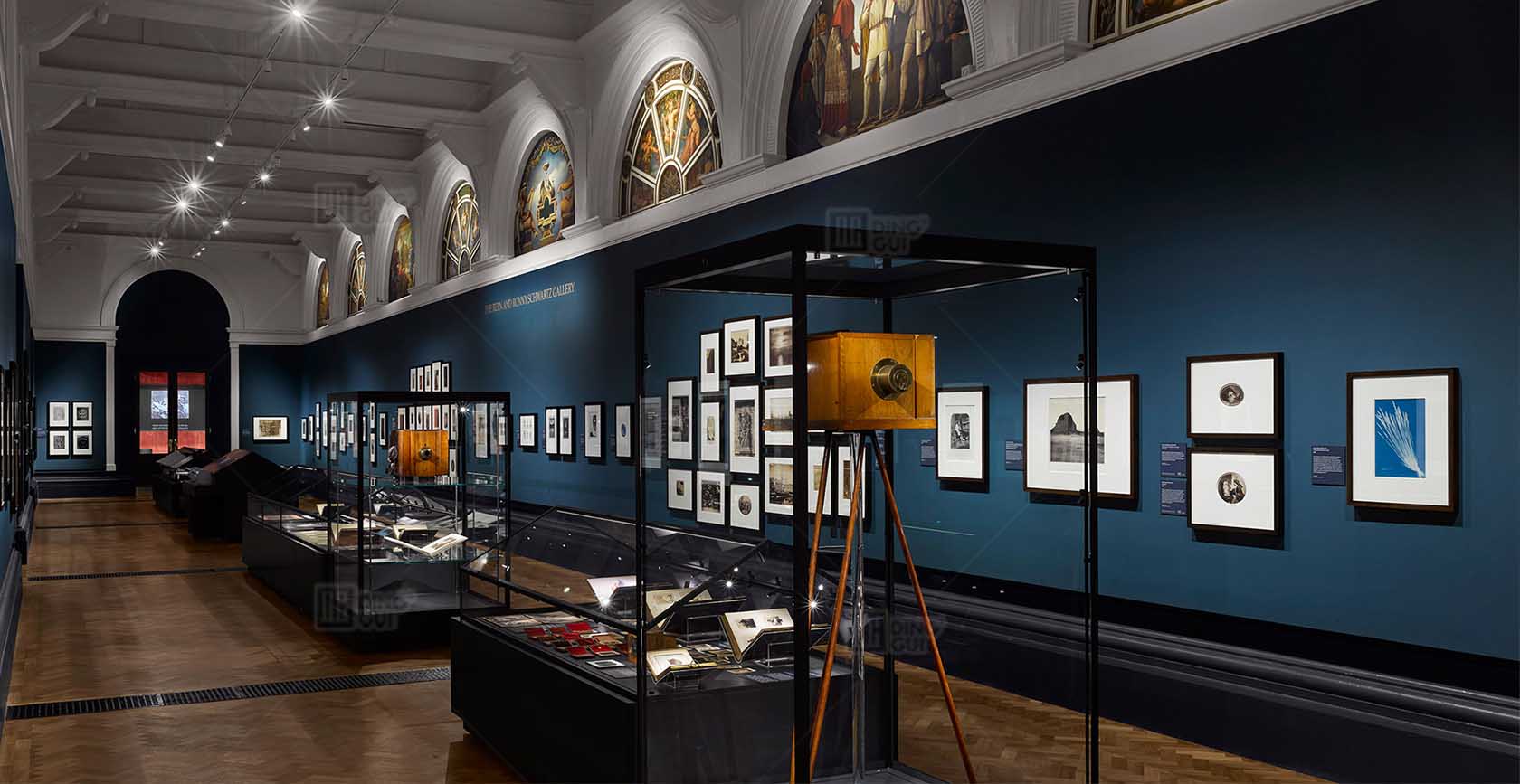
3. Video display and multimedia projection
Vivid display: The use of screens or projection devices to display video materials, vivid display of the history of the exhibits, production process or use scenes, to increase the audience's sense of participation and understanding.
Storytelling: Create exciting video clips or multimedia presentations to help the audience more vividly understand the cultural values and historical stories carried by the exhibits.
4. Interactive apps and gamified experiences
Educational interaction: Design apps or games that allow the audience to learn and understand the culture and history behind the exhibits in a participatory way.
Increase engagement: Use interactive experiences to engage more audiences, especially the younger generation, and make them more willing to dive into the museum's collections.
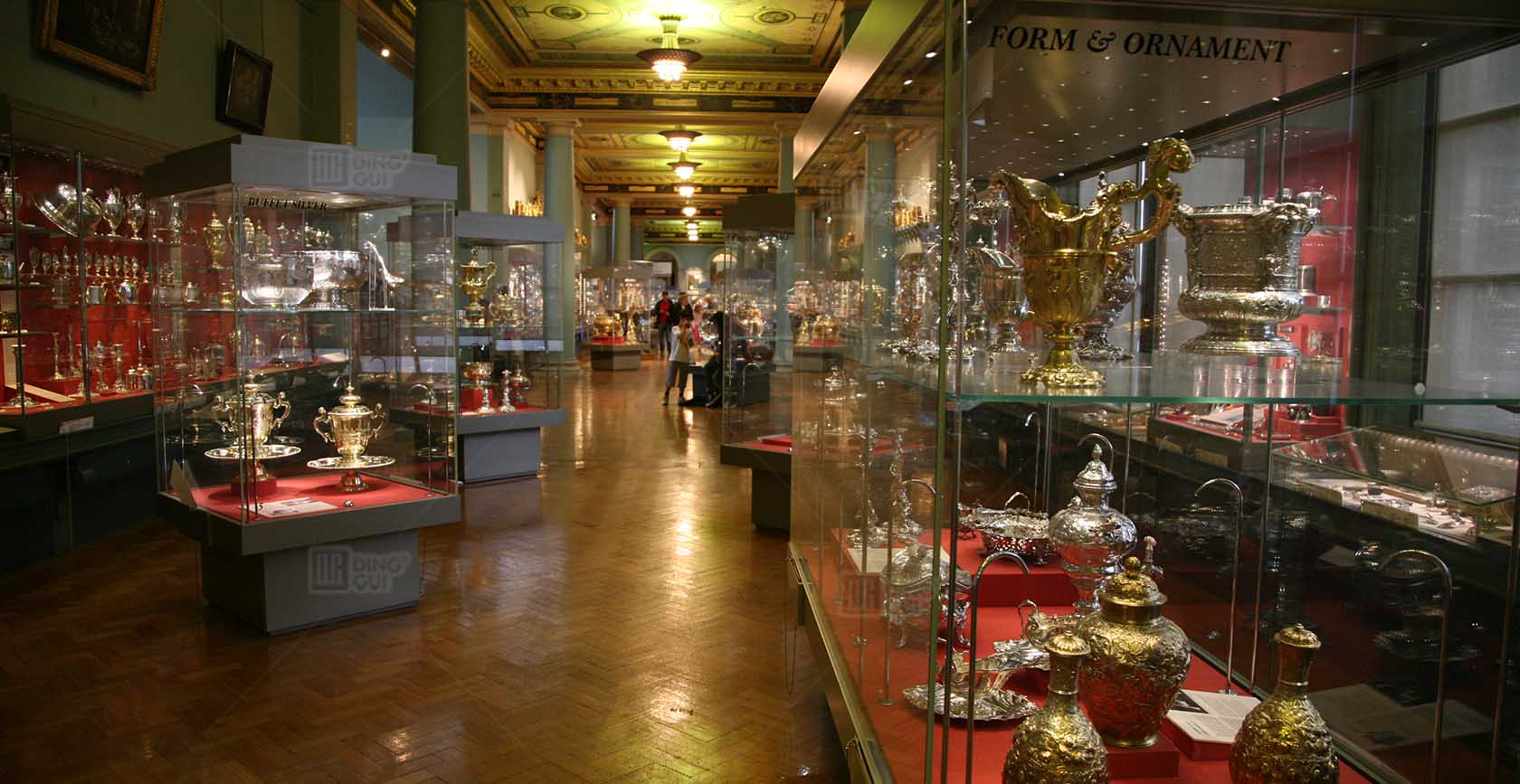
5. Data visualization and digital interpretation
Data display: Using digital technology to display the collected data in a visual way, so that the audience can better understand the information and context represented by the exhibits.
Self-service interpretation: Provide digital interpretation function, so that visitors can choose their own language, depth and display form, free to explore the exhibits.
6. Cloud connectivity and remote access
Remote visit: Using cloud technology, visitors can visit museum exhibitions remotely through the network and interact with the exhibits.
Online Resources: Online resources and materials are provided so that visitors can continue to learn and explore relevant information outside the museum.
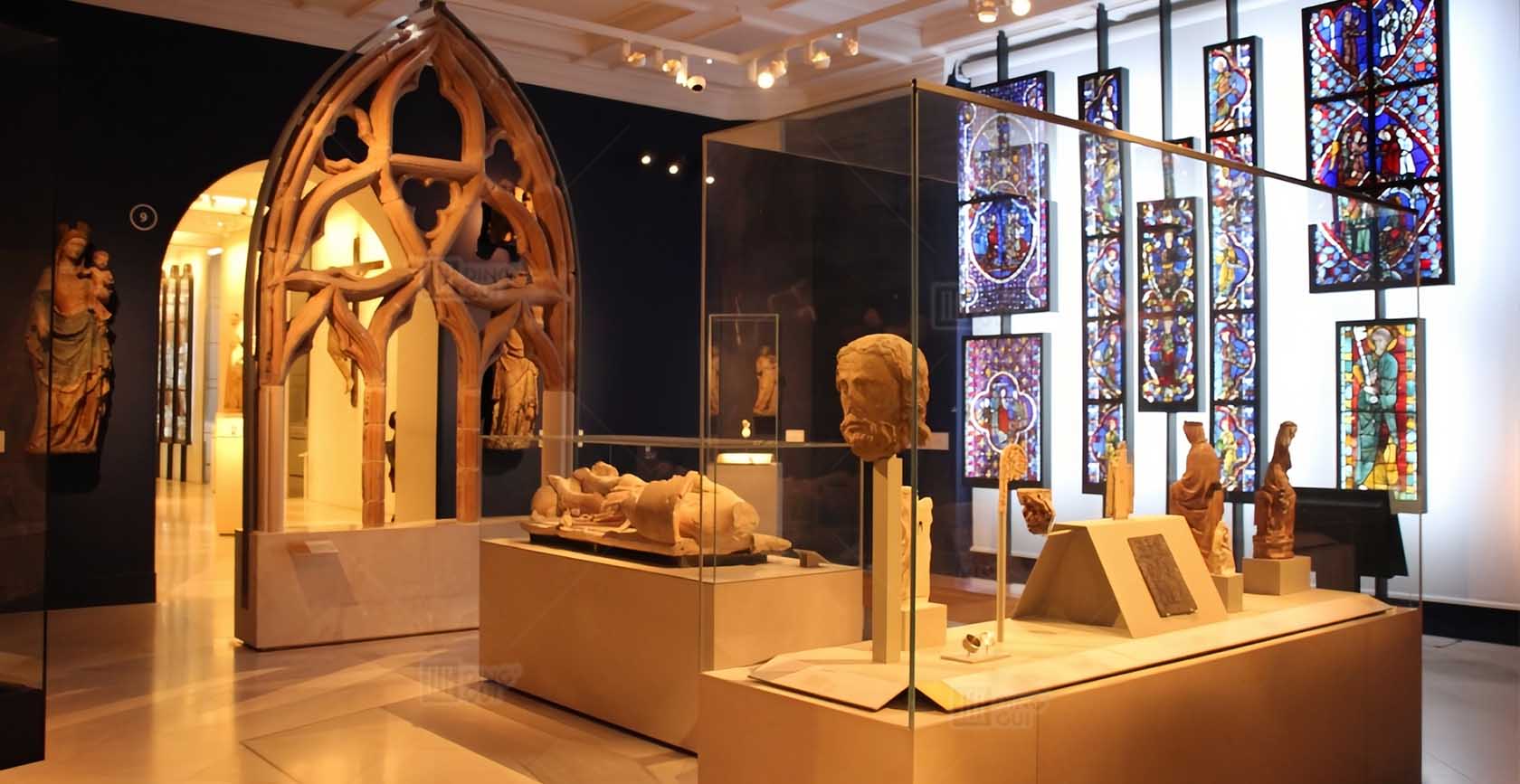
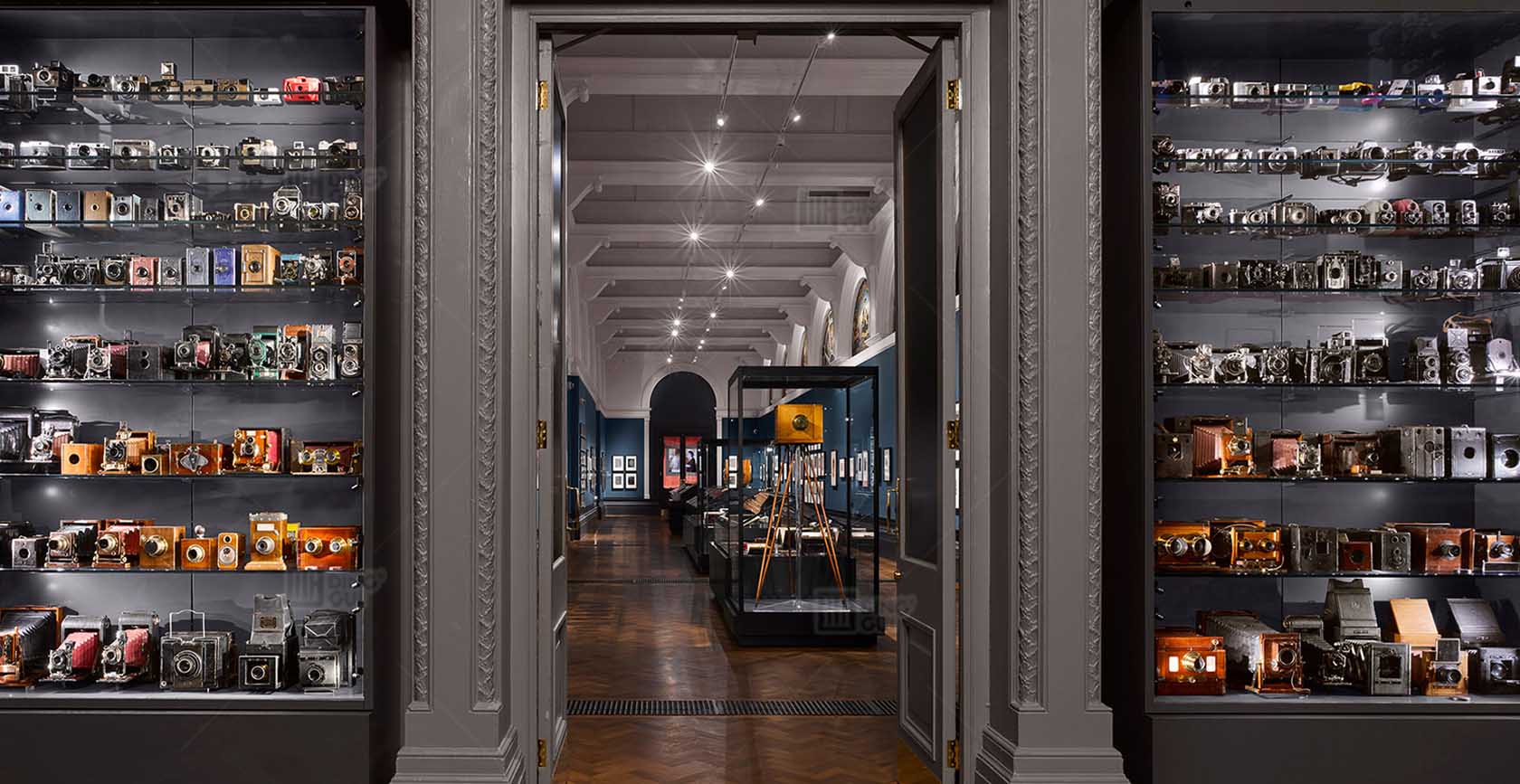
The application of these digital media technologies can enhance the attraction of museum display cases, enrich the visiting experience, and enable visitors to better understand and appreciate the cultural relics and works of art on display. The digital media technology combined with DG Museum display case customization not only provides a richer way of presenting information, but also brings a more personalized and interactive experience to the audience. This innovative design concept not only enhances the appeal of the museum display case, but also provides a deeper and more interesting visiting experience for the audience, so that they can more fully understand and appreciate the precious cultural relics and works of art on display.
Quick links
Project
Product
China Marketing Center (Showroom):
9th Floor (Full Floor), Zhihui International Building, Taiping Town, Conghua District, Guangzhou
China Manufacturing Center:
Dinggui Industrial Park, Taiping Town, Conghua District, Guangzhou