


Victoria and Albert Museum
What role do showcases play in interdisciplinary integration in museums?
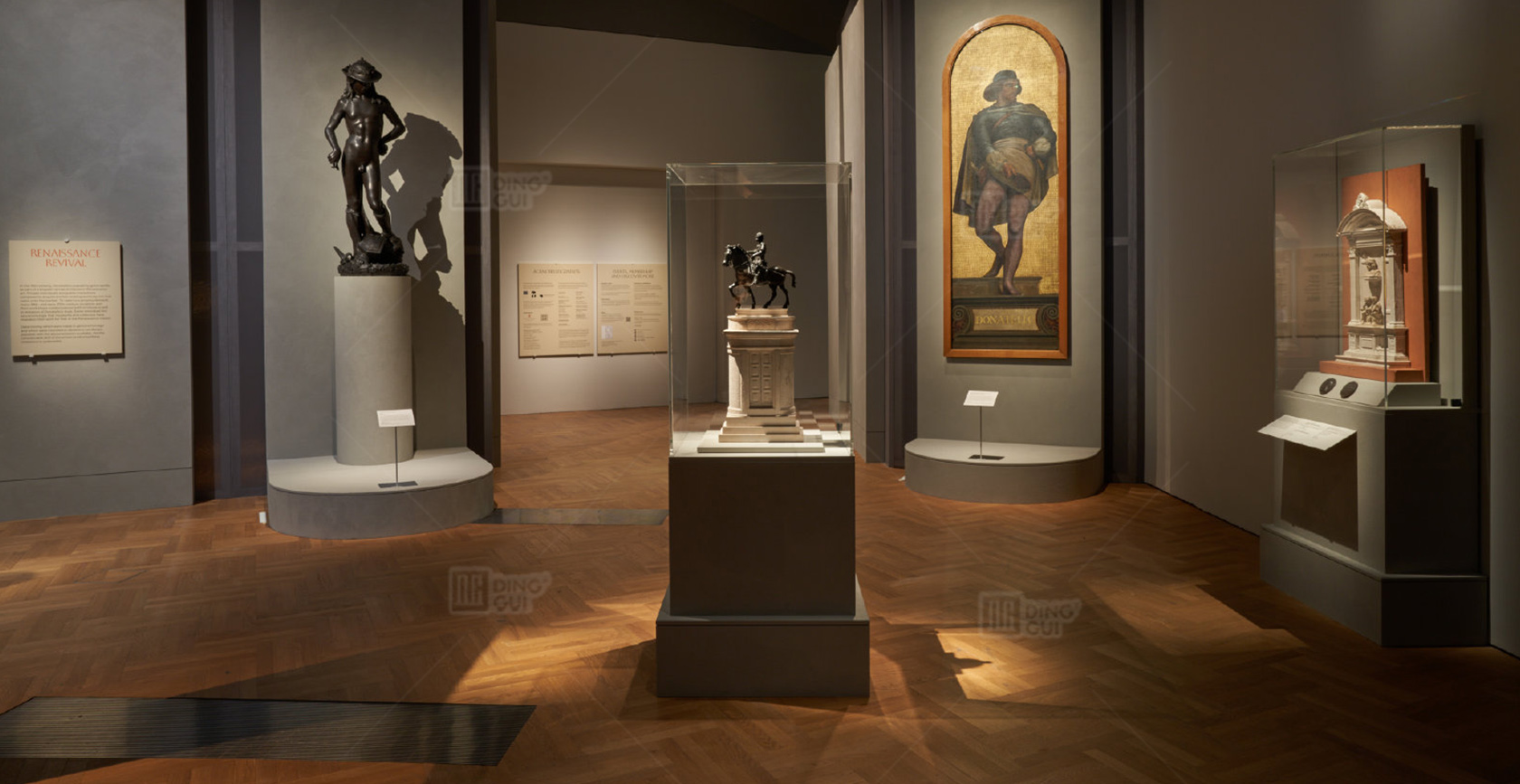 Victoria and Albert Museum
Britain
Project Briefing and Building Overview: This is one of the world's largest museums dedicated to decorative arts and design, located in the Kensington district of London, United Kingdom. Established in 1852, the museum is named after Queen Victoria and her consort Prince Albert, with the aim of promoting and preserving the outstanding achievements in craftsmanship, art, and design. The museum's collection is extensive, covering various fields such as fashion, jewelry, ceramics, furniture, painting, sculpture, photography, and more. It includes ancient artifacts, medieval crafts, Renaissance artworks, and modern design pieces, showcasing unique artistic styles from different periods and cultures over centuries. The museum's architecture itself is a work of art, reflecting the Victorian era's architectural style. Its grand exterior and exquisite interior design allow visitors to immerse themselves in a unique cultural experience during their visit. The museum regularly hosts temporary exhibitions covering the latest trends in contemporary art and design. Additionally, it organizes various cultural events, lectures, and workshops to provide the public with deeper insights and engagement opportunities. It is dedicated to inspiring people's interest in art and design and has become a significant center for global art and culture.
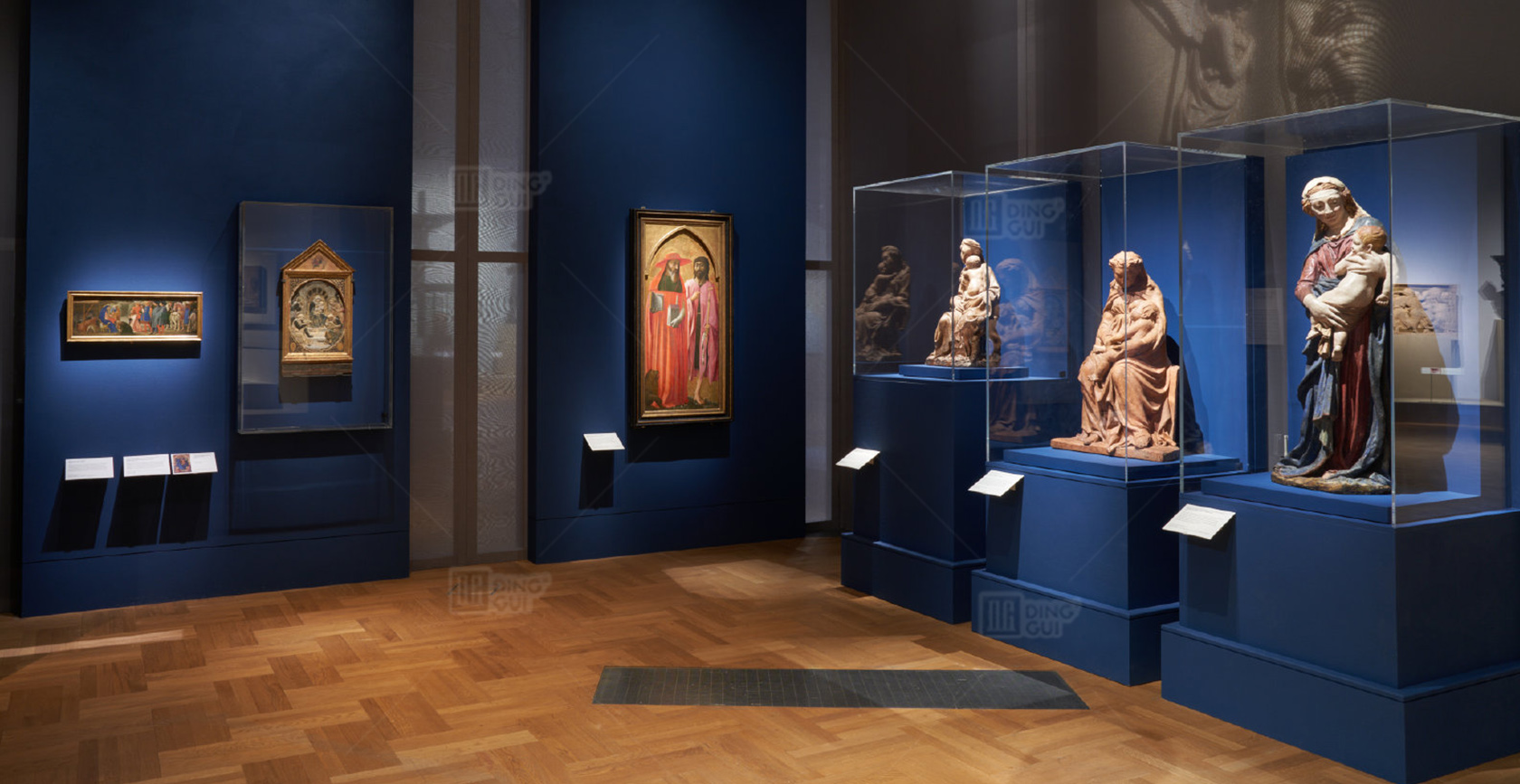
The museum is a fascinating world, not just a display place for precious artifacts but also a crossroads of disciplines including history, art, and science. At this intersection of diverse disciplines, display showcases become essential tools for museums to achieve interdisciplinary integration. DG discusses with you the role of showcases in interdisciplinary integration in museums?
Time Travel: A Historical Perspective of Display Showcases
Display showcases are not only homes for exhibiting artifacts but also time-traveling machines. Through clever design, viewers can traverse time and roam among cultural treasures from different historical periods. From ancient ceramics to modern digital art, the diverse cultures presented by display showcases unveil the mysteries of history to the audience.
The Marvelous Fusion of Art and Science
Art and science achieve a marvelous fusion within display showcases. Through carefully designed display showcases, artworks and scientific objects complement each other in the same space. On one hand, the lighting and spatial arrangement of display showcases enhance the viewing experience through artistic techniques. On the other hand, the display of scientific objects sparks curiosity about scientific knowledge among the audience.
The Information Hub of Display Showcases
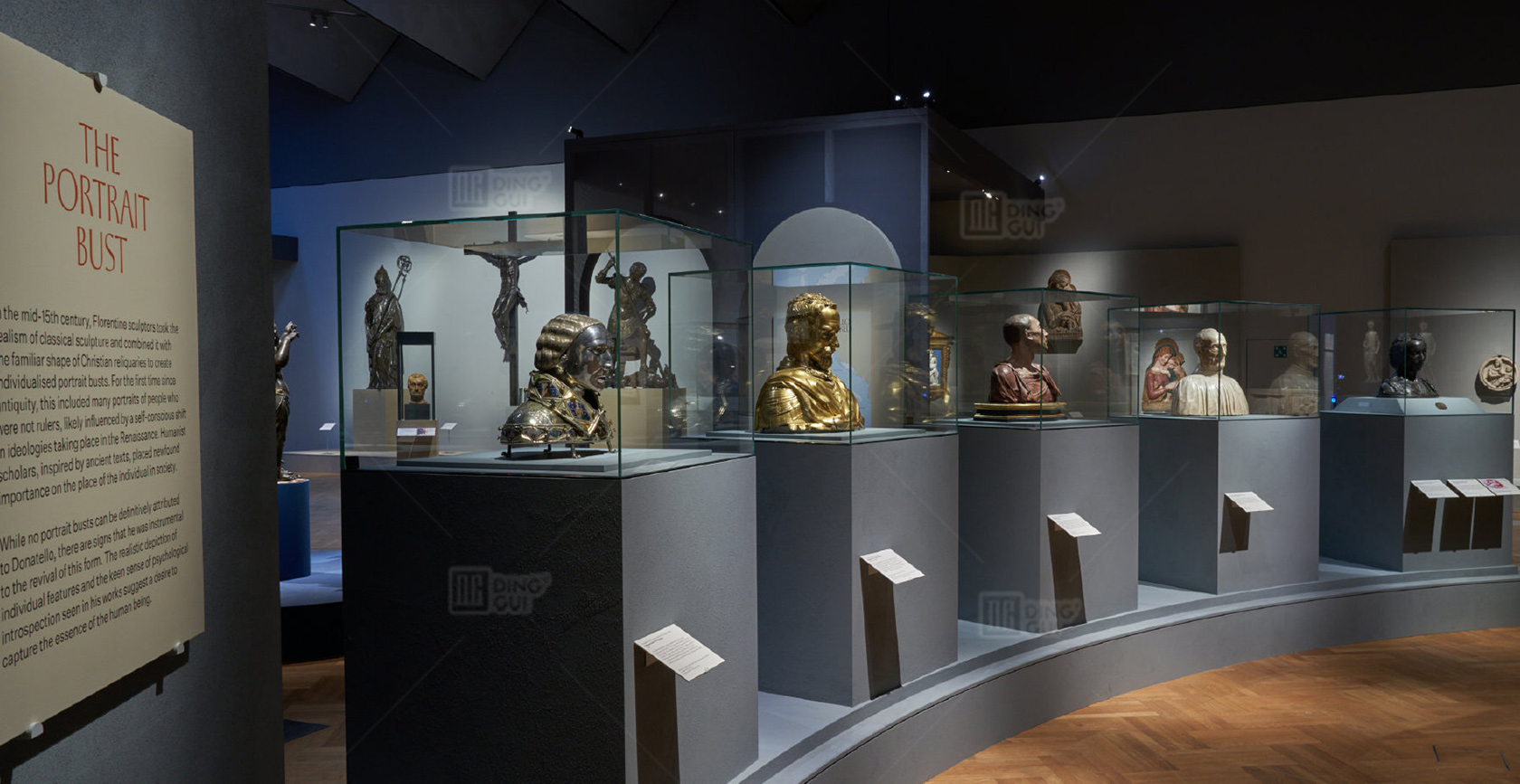
Display showcases are not just places for exhibiting artifacts but also information hubs. Through cleverly designed display cases, museums can integrate historical, artistic, and scientific information, helping viewers understand the presented themes from multiple perspectives. This interdisciplinary integration of information allows viewers to comprehend the museum's content more comprehensively and profoundly.
The Technological Bridge for Interactive Experiences
Display showcases serve as technological bridges for interactive museum experiences. Through digital technology, display showcases not only exhibit artifacts but also provide richer interactive experiences through virtual reality and augmented reality. Viewers can interact with exhibits in front of display showcases using touchscreens, VR glasses, and other devices, delving deep into the stories behind the artifacts.
Future Outlook: Diversified Development of Display Showcases
The role of display showcases in museums is continually evolving. In the future, we can expect more interdisciplinary innovations, such as incorporating artificial intelligence technology to allow display showcases to adjust exhibit content based on the audience's interests. Alternatively, merging with environmental technology to create sustainable display showcase designs. These innovations will make display showcases a more diverse and open platform for interdisciplinary integration in museums.
In summary, display showcases are not just exhibition tools in museums but also mediators of interdisciplinary integration, connecting history, art, science, and more. The future of display cases is full of innovative possibilities, continuing to play a crucial role in museums by promoting disciplinary exchange and expanding the boundaries of thought. If you want to tell the story of artifacts through display showcases, feel free to contact DG Display Showcase!
Quick links
Project
Product
China Marketing Center (Showroom):
9th Floor (Full Floor), Zhihui International Building, Taiping Town, Conghua District, Guangzhou
China Manufacturing Center:
Dinggui Industrial Park, Taiping Town, Conghua District, Guangzhou