


LACMA
DG tells you what characteristics of cultural relics need to be centered around the design of museum showcase?
 LACMA
LACMA
America
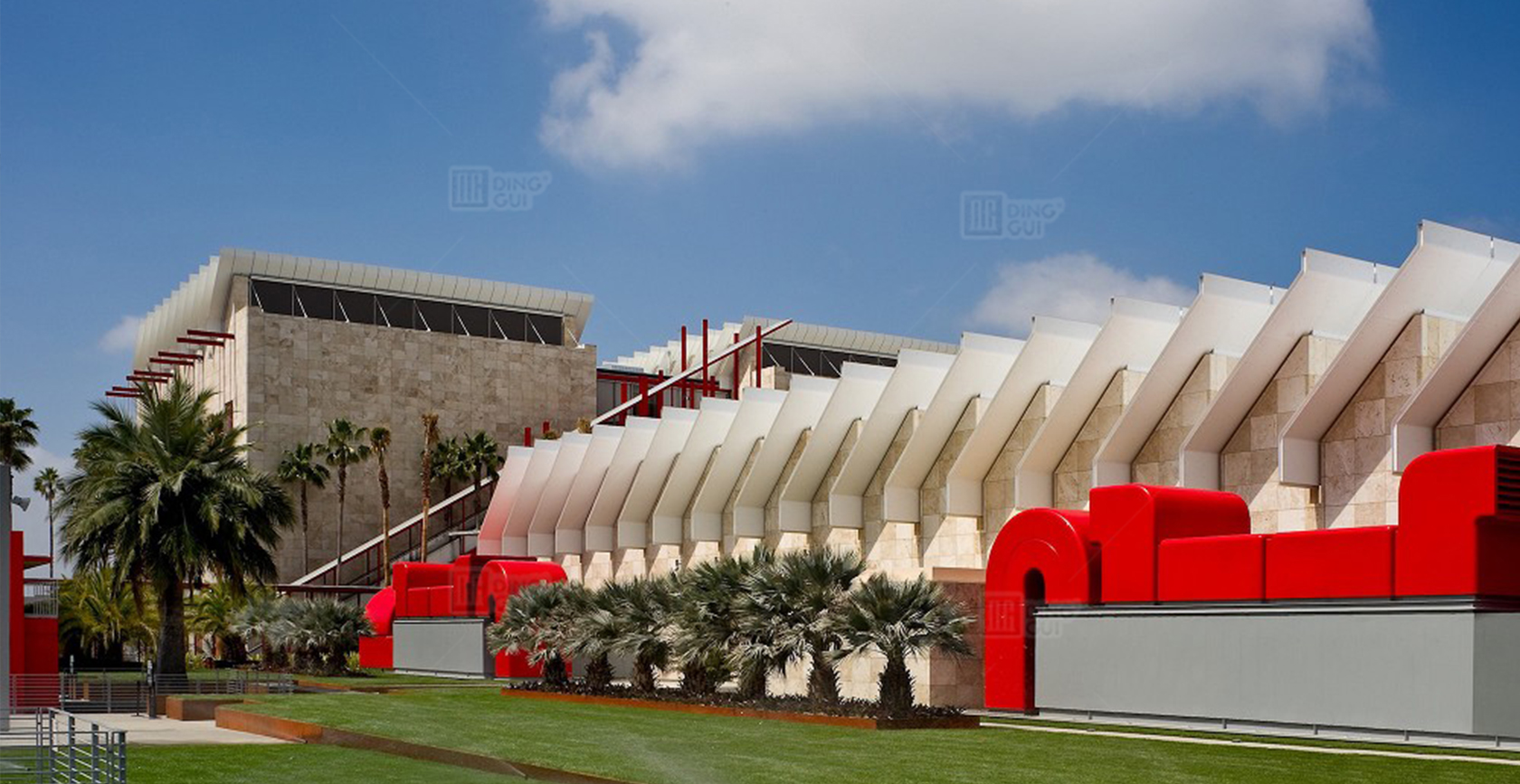
Project Briefing and Building Overview: Located on the Pacific Rim, LACMA is the largest art museum in the western United States, with a collection of nearly 152,000 objects that illuminate 6,000 years of artistic expression across the globe. Covering modern and contemporary art, ancient art, American art, Asian art, European art, etc. Committed to showcasing a multitude of art histories, LACMA exhibits and interprets works of art from new and unexpected points of view that are informed by the region's rich cultural heritage and diverse population. LACMA's mission is to serve the public through the collection, conservation, exhibition, and interpretation of significant works of art from a broad range of cultures and historical periods, and through the translation of these collections into meaningful educational, aesthetic, intellectual, and cultural experiences for the widest array of audiences.
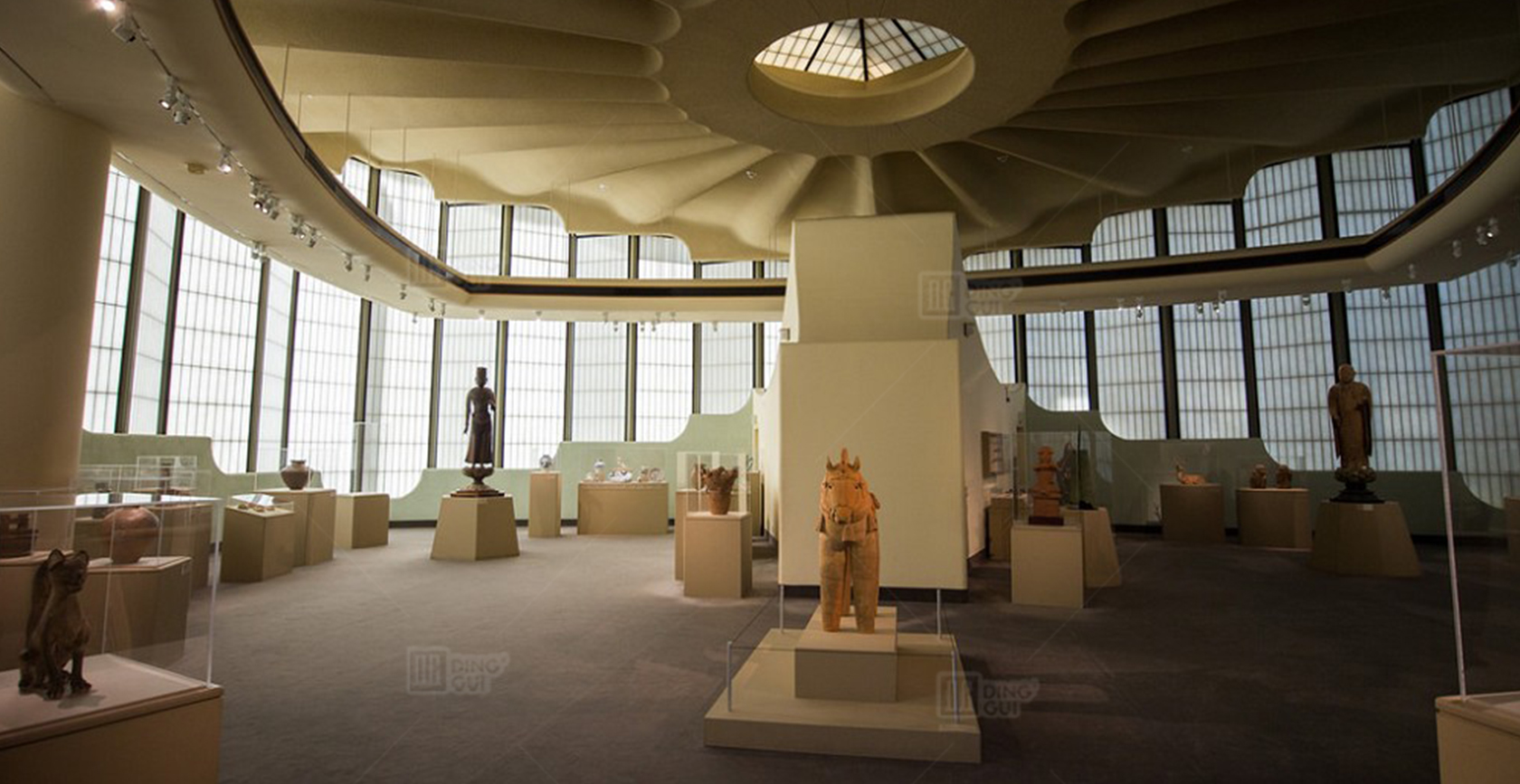
Museum showcases are important facilities for displaying cultural relics and artworks in museums. They not only protect the exhibits, but also display their beauty and uniqueness. As a display carrier that is in direct contact with cultural relics, museum display cabinets must be designed around the characteristics and display requirements of cultural relics:
1. Design of museum showcases according to the type of cultural relics
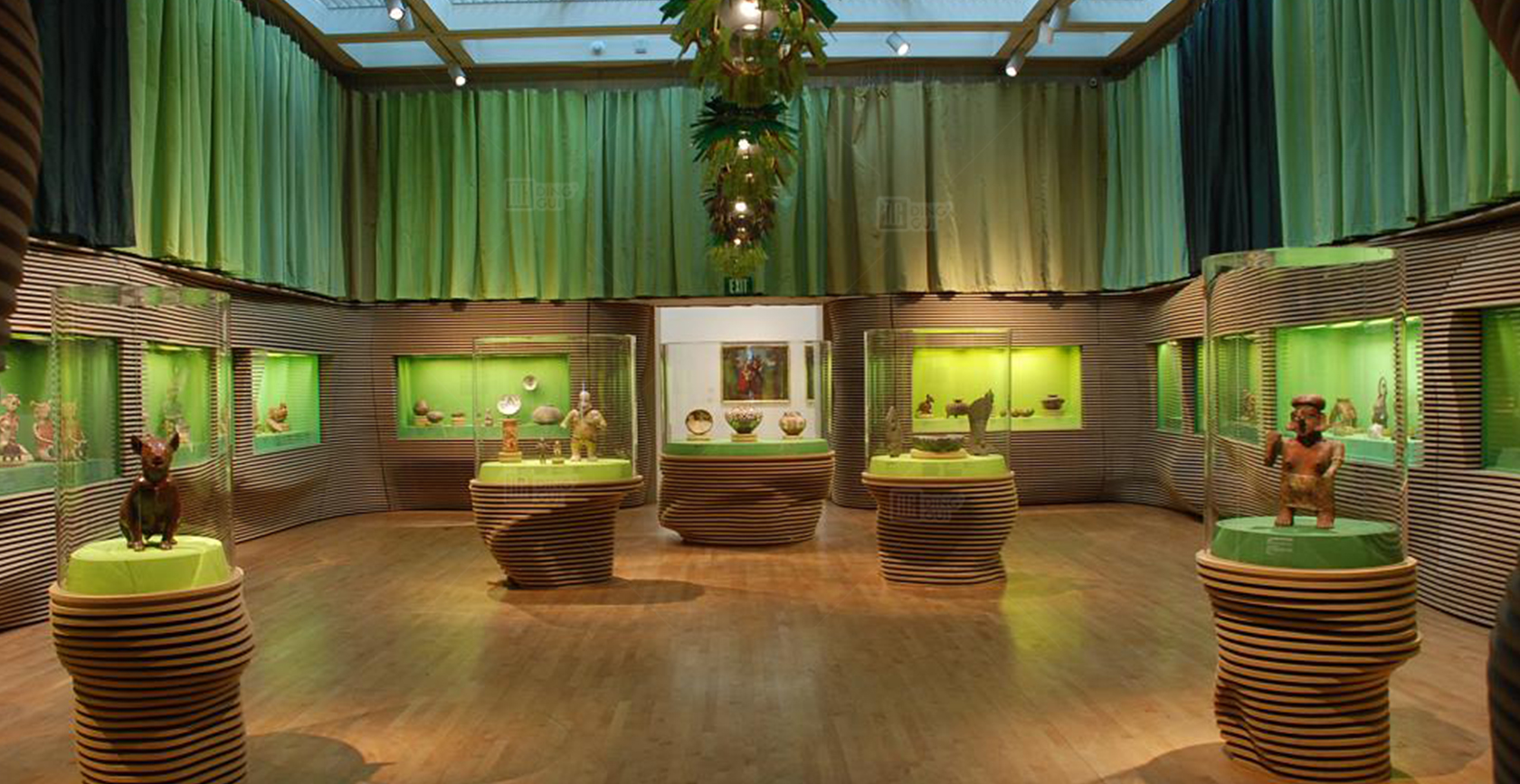
There are many types of cultural relics, and museums usually classify them and then display the same type of cultural relics in the same exhibition hall. In order to highlight the display theme, the museum will design the decoration, lighting, and color tone of the exhibition hall according to different types of cultural relics, so that the style of the exhibition hall matches the characteristics of the cultural relics. However, today, when we pay attention to the refinement of exhibition design, it is not enough to design and decorate the exhibition hall. The display cabinets must also be designed according to the type of cultural relics, so that the cultural relics can form a unified and coordinated relationship with the display cabinets and the exhibition hall environment. It should be noted that the design of the display cabinet in terms of shape, color and other styles must conform to the content characteristics of the exhibits.
2. Design museum showcases according to the size of cultural relics
Showcases need to occupy exhibition hall space for cultural relic display, and the size of the occupied space is related to the size of the showcase. Therefore, designing display cabinets of appropriate sizes according to the size of cultural relics is very important for the rational use of exhibition hall space. If a small cultural relic is placed in a large independent cabinet, the display in the showcase will look relatively empty, which will not effectively utilize the space of the showcase and result in irrational use of the exhibition hall space. On the contrary, if large cultural relics are placed in a low cabinet with a small space, the display will appear too compact and there will be safety risks. Therefore, designing display cabinets of appropriate sizes for cultural relics can not only make reasonable use of the showcase space, but also reduce certain safety risks during the display process.
3. Design museum showcases based on display methods
Each cultural relic has its own best way to display it. According to the type of cultural relic and the display requirements, it can be divided into two ways: static display and dynamic display. The former is to directly display cultural relics for exhibition. Its advantage is that it can present the most original and authentic side of cultural relics to the audience. Therefore, the showcase is only used as a protection facility for cultural relics in static display and does not affect the image of cultural relics. For museums with a large number of cultural relics resources, static display is a direct and effective display method, allowing the audience to view the original appearance of the cultural relics and feel the historical background of the cultural relics.
Dynamic display refers to the organic combination of high-tech (such as multimedia technology) and cultural relic display. Compared with static display, dynamic display can show the story of cultural relics to the audience more vividly through images, sounds, etc. For some For key cultural relics, dynamic display has more advantages.
As an indispensable display facility in the museum, museum showcases carry the important mission of protecting cultural relics and spreading culture. Properly designed showcases can provide a good display environment and protect the integrity and safety of exhibits. During the installation and maintenance of museum showcases, attention needs to be paid to the characteristics and protection needs of the exhibits to ensure long-term preservation of the exhibits and a good experience for the audience. In the future, DG Museum showcases will continue to develop and innovate, presenting a more exciting and rich cultural feast to the audience. If you are interested in museum showcases, please contact DG.
Quick links
Project
Product
China Marketing Center (Showroom):
9th Floor (Full Floor), Zhihui International Building, Taiping Town, Conghua District, Guangzhou
China Manufacturing Center:
Dinggui Industrial Park, Taiping Town, Conghua District, Guangzhou