


How to make cultural relics in museums "alive"?
Making cultural relics "alive" is very important for museums. It can not only enhance the audience's participation and learning experience, but also increase the value of cultural relics and the influence of the museum. The following are some suggestions from DG in designing showcases:
1. Interactive design: Use interactive display methods to allow the audience to participate. For example, using touch screens, virtual reality technology or simple mechanical devices, the audience can learn about the history, production process or related stories of the cultural relics.
2. Multimedia display: Combine audio, video and other multimedia elements to display the story of the cultural relics or the cultural background related to them. This can be done via a display, headphones or speakers.
3. Lighting design: Use lights to highlight specific parts of cultural relics or tell specific stories. Appropriate lighting can improve the visual appeal of cultural relics and provide a richer viewing experience.
4. Scene restoration: Place cultural relics in scenes related to their history or original environment. By simulating or restoring historical scenes, audiences can feel the value and significance of cultural relics more immersively.
5. Storytelling: Use text, images or videos to provide detailed explanations or stories next to the display cabinets or in the venue to help the audience have a deeper understanding of the stories and cultural values behind the cultural relics.
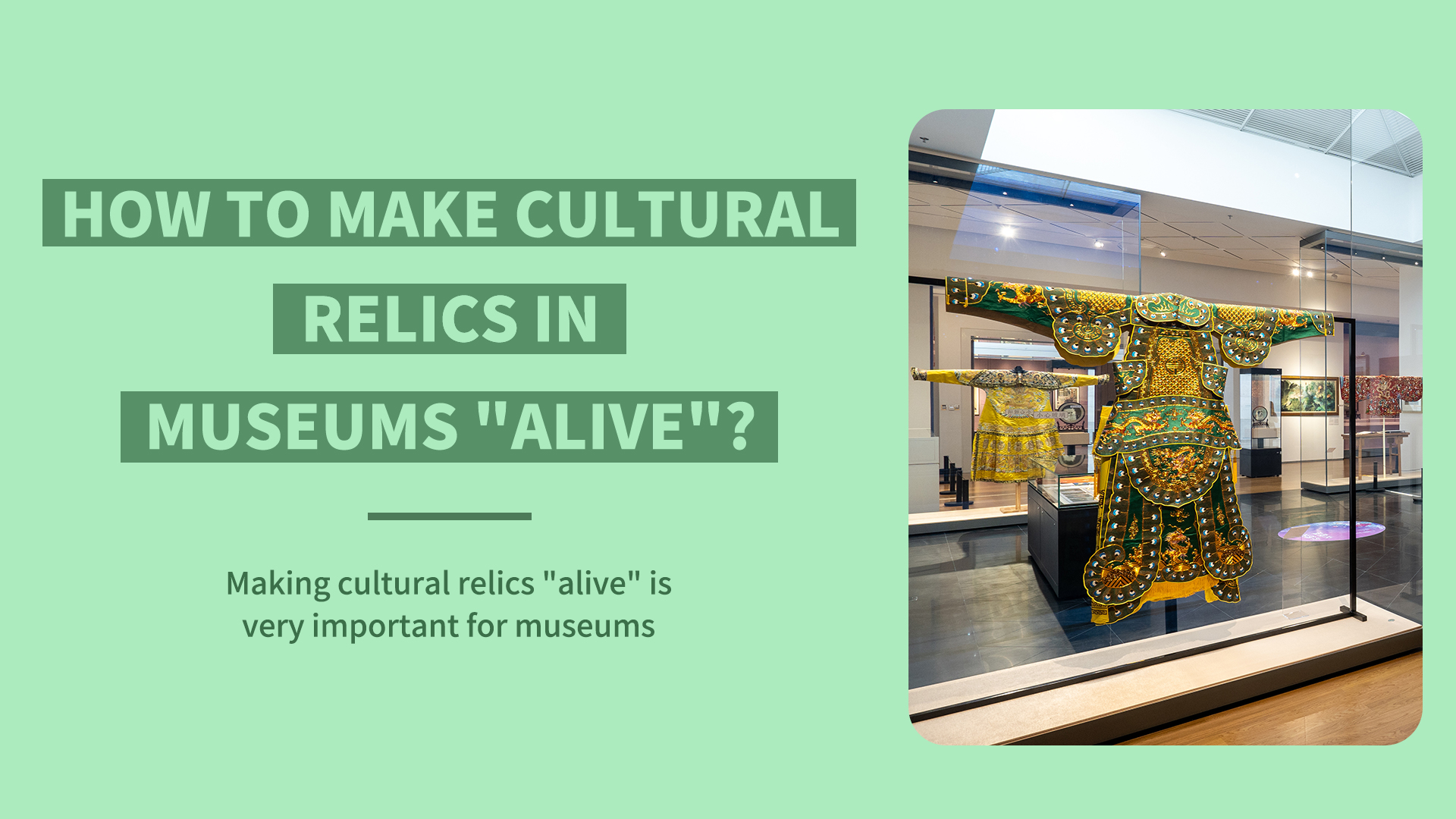
6. Dynamic display: Set up mechanical devices or slight animation effects in the display cabinets to make the cultural relics themselves or the surrounding decorations change slightly dynamically to attract the audience's attention.
7. Participatory experience: Design some interactive experiences, such as simulating the production process of cultural relics or allowing the audience to participate in activities similar to the production of cultural relics. Such participatory experiences can increase the audience's sense of participation and learning experience.
8. Multi-angle display: Consider displaying cultural relics from multiple angles or providing a magnifying lens of the cultural relics so that the audience can observe and appreciate the details of the cultural relics more carefully.
9. Interactive education projects: Carry out educational projects, such as lectures, workshops or guided tours, so that audiences can have a deeper understanding of cultural relics and related cultural backgrounds.
Through the comprehensive use of these display cabinet design strategies, cultural relics can be made "alive" in the museum, giving the audience a more vivid, rich and meaningful visiting experience. By making cultural relics "alive", museums can establish a more innovative and attractive image, attract more audiences, and establish a more positive and interesting museum image among the public.
Quick links
Project
Product
China Marketing Center (Showroom):
9th Floor (Full Floor), Zhihui International Building, Taiping Town, Conghua District, Guangzhou
China Manufacturing Center:
Dinggui Industrial Park, Taiping Town, Conghua District, Guangzhou