


The intersection of nature and art: plants and landscape design in museum showcases
Museum exhibitions have always been committed to presenting history, art and cultural heritage to the audience, and how to create a vibrant exhibition environment that coexists harmoniously with nature has become a challenging task. In recent years, more and more museums have begun to incorporate natural elements into the design of showcases, creating a more intimate and vivid display space through the clever combination of plants and landscapes.
In the design of museum showcases, integrating natural elements is not only for aesthetics, but also to create an atmosphere closer to the theme of the exhibits. By introducing appropriate plants into the showcases, the exhibits can be given more historical background and cultural connotation. For example, when displaying ancient religious relics, you can choose plants and religious-related elements, such as olive trees or thorns that symbolize sacredness, to enhance the visual and emotional resonance of the exhibits.
In addition, the greenness and vitality of plants can also inject freshness into the exhibition space. In the design, small gardens or flower beds can be cleverly set up, allowing the audience to appreciate the cultural relics while also feeling the beauty of nature. At the same time, plants can also purify the air and stabilize humidity, providing an extra layer of protection for exhibits.
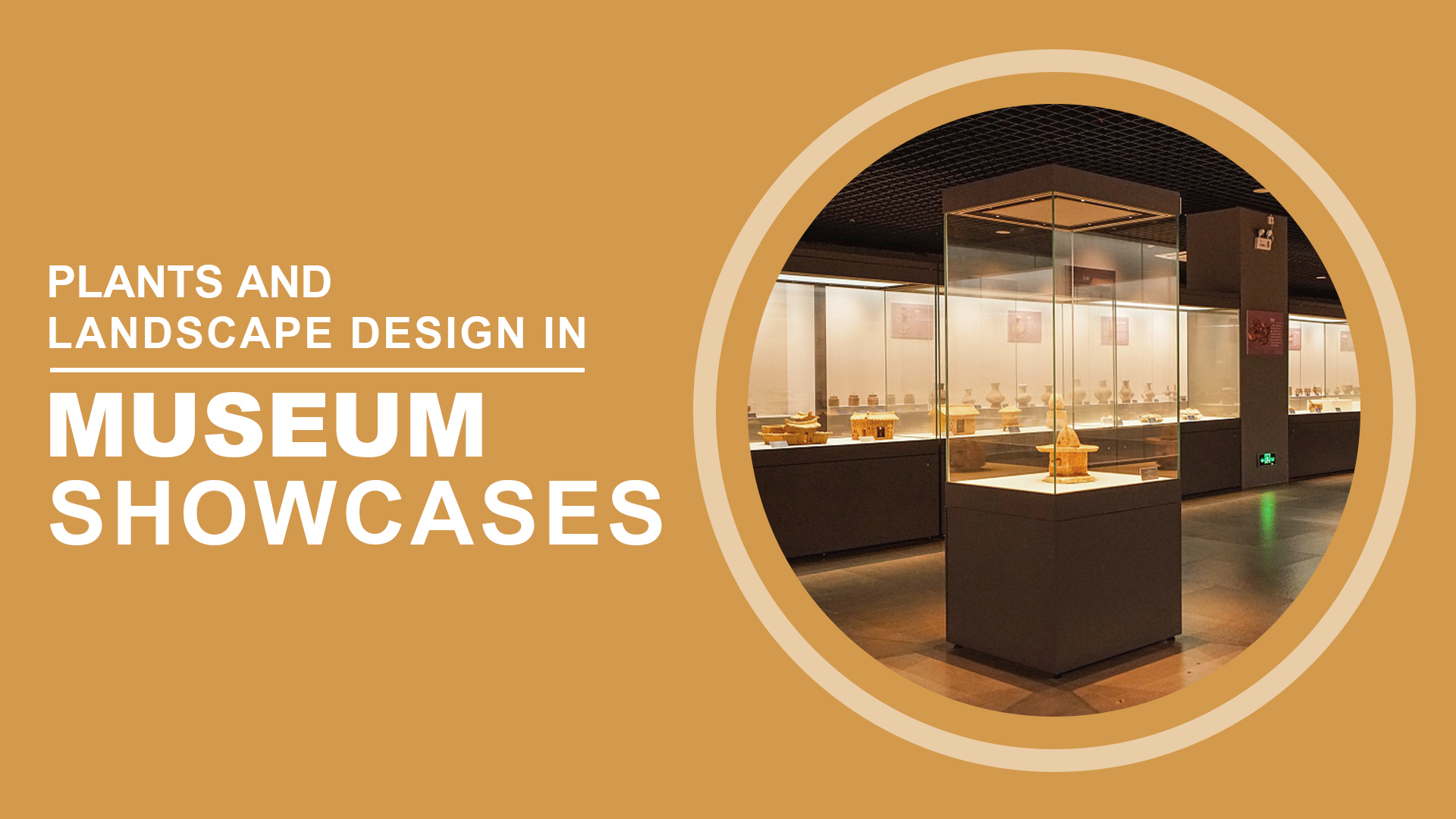
Landscape design also plays an important role in museum showcases. Reasonable landscape layout can guide the audience's sight and create a more layered display effect. By using landscape elements such as small pools, stones and sculptures, a unique atmosphere can be created for the exhibition, allowing the audience to feel a cultural atmosphere different from their daily life.
However, there is also a balance that needs to be paid attention to when incorporating natural elements. The selection of plants should take into account the protection of exhibits and the growth characteristics of the plants to avoid excessive plant growth that may adversely affect the exhibits. In addition, landscape elements should also echo the theme of the exhibits to avoid being too eye-catching and distracting the audience.
Incorporating natural elements into museum showcase design is a creative and challenging process. Through reasonable planning, material selection and layout, an exhibition environment that is both artistic and close to the audience can be created. In the future, with the continuous development of technology and the emergence of innovation, we can look forward to more wonderful presentations of the integration of nature and art, making the museum a true intersection of culture and nature.
China Marketing Center (Showroom):
9th Floor (Full Floor), Zhihui International Building, Taiping Town, Conghua District, Guangzhou
China Manufacturing Center:
Dinggui Industrial Park, Taiping Town, Conghua District, Guangzhou