


How Can the Sustainable Development Goals Shape Your Museum’s Future?
Museums are the guardians of culture, history, and innovation. With society more focused on sustainability, this leads institutions to a central question: How can they align their operations with global environmental and social responsibility standards? The 17 Sustainable Development Goals (SDGs) of the United Nations offer a roadmap for organizations to be part of the solution to accelerating an equitable and sustainable future.
This means museums rethinking everything from energy use to artefact preservation — and at the centre of this change is an element frequently underestimated: museum display showcases — museum display cabinets. These tools of aesthetics and design are more than just that; they are key to sustainability goals.
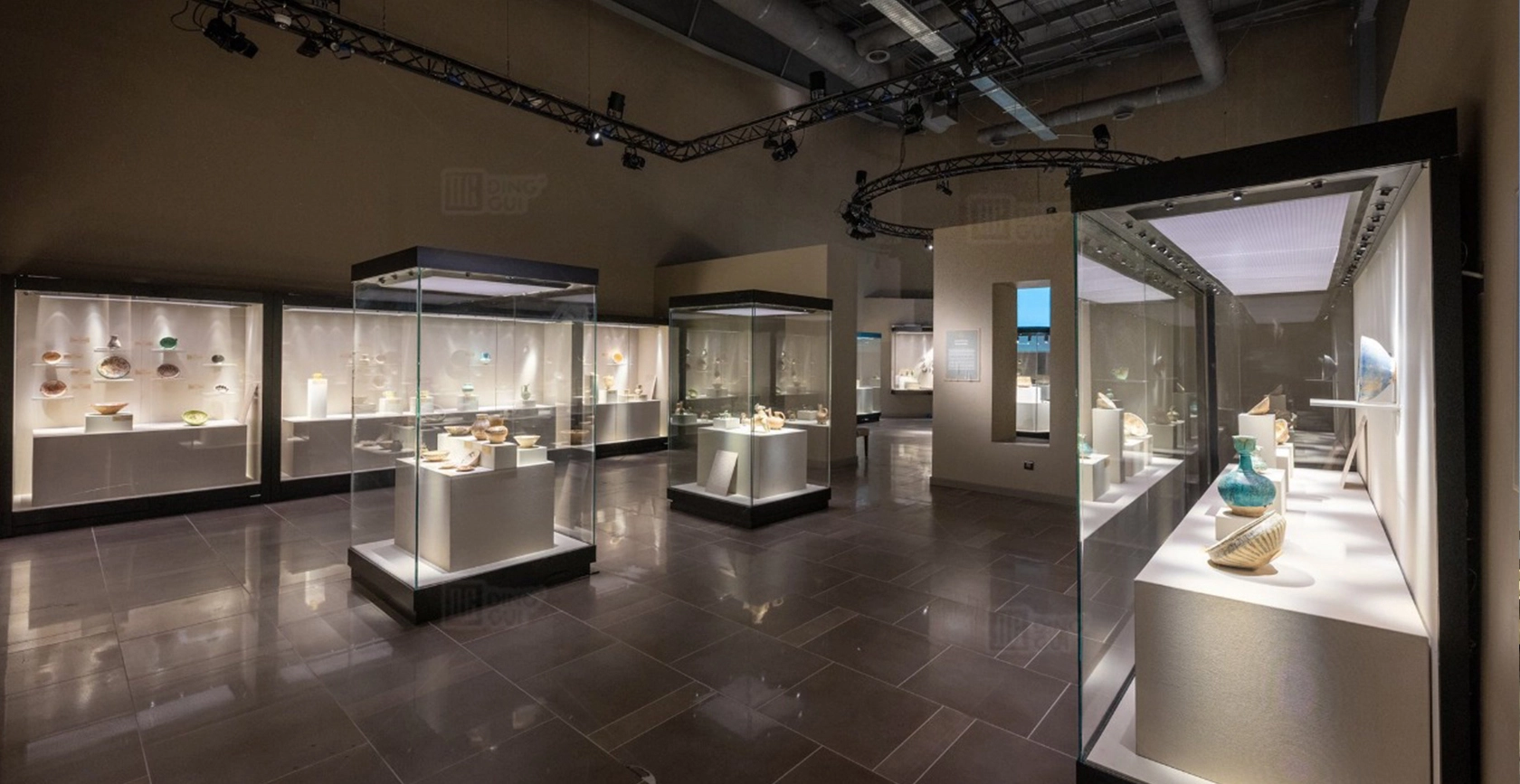
The Role of Sustainable Museum Display Showcases
These modern museums are redefining artefact preservation with displays that combine both functionality and sustainability. Here's how these showcases relate to the SDGs:
1. Eco-Friendly Materials
Traditional showcases are often made with unrecyclable plastics or chemically treated wood, which clog up landfills. These sustainable alternatives focus on cold-rolled steel and ultra-white adhesive glass, options that progressive manufacturers are increasingly embracing. Cold-rolled steel is 95% recyclable, prevents corrosion, and is durable; hence, it is not largely replaced. Ultra-white glass transmits 99% of light, allowing for visibility while using less artificial lighting.
2. Energy Efficiency
Lighting and climate control represent up to 60% of a museum's energy use. Sustainable solutions involve LED lighting systems, which consume 75% less energy than incandescent bulbs and give off very low heat, preserving sensitive artefacts. High-tech climate control systems mezze LEDs with ever-changing temperature and humidity sensors that modulate conditions in real-time. Humidity is held at 45–55%, averting organic material degradation and lowering energy use by 30–40% without undermining preservation.
3. Customization and Waste Reduction
Generic Displays result in wasted materials and ineffective use of space. Museums can maximize dimensions, layouts, and functionalities with customized designs. Sets of adjustable shelving, modular frames, and sizing — down to the millimetre — mean that not much material goes to waste. This strategy increases a display's longevity, aligning with SDG 12's focus on sustainable production.
4. Preservation Technology
Advanced sealing methods and UV-filtering glass used in modern cabinets protect artefacts from pollutants, dust and light damage. Laminated glass blocks 99% of UV radiation, crucial for preserving pigments in paintings and textiles. Such innovations help museums fulfil the mandate of SDG 11.4, which calls for the protection of cultural heritage for future generations.
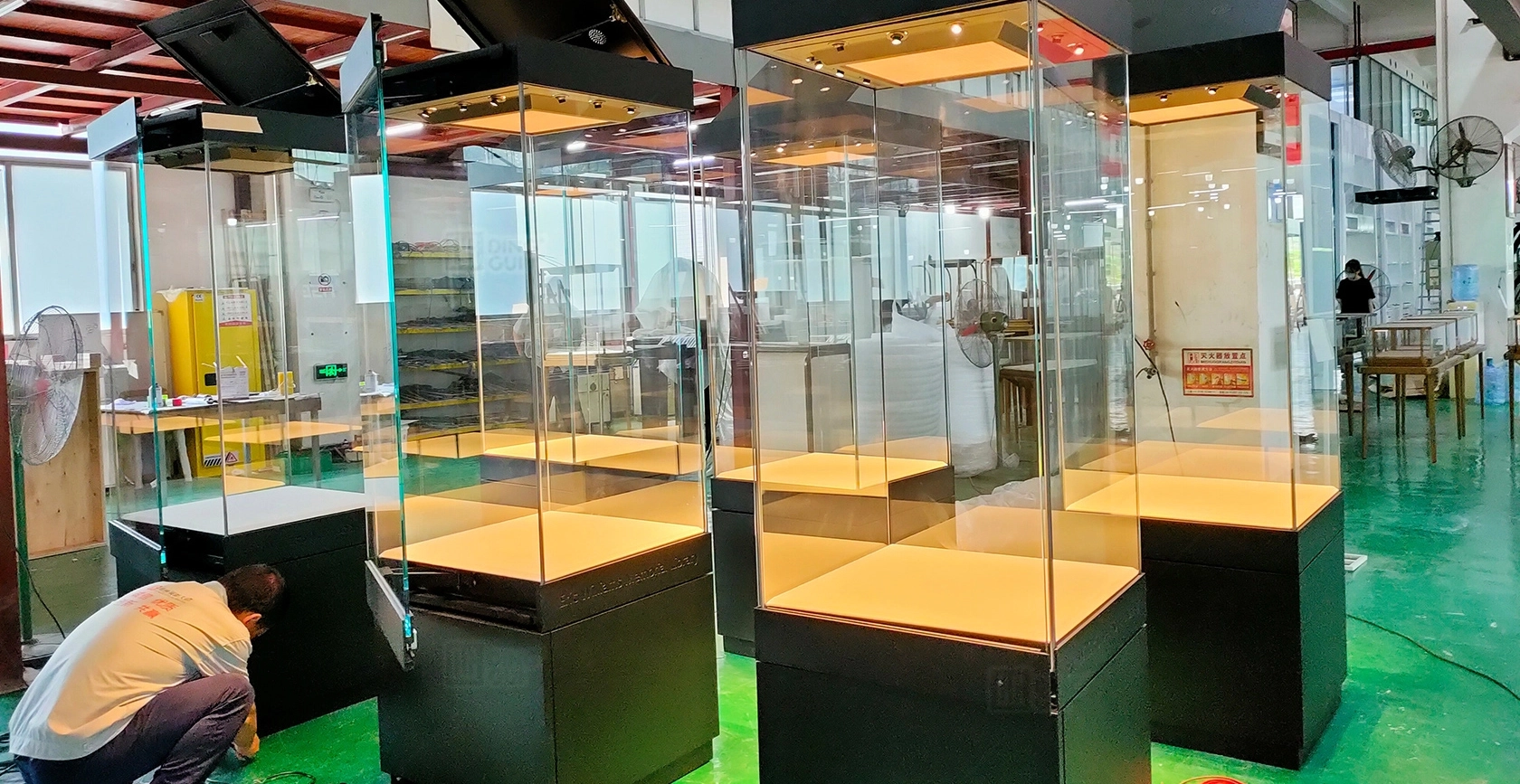
DG Display Showcase's Global Impact
DG Display Showcase, as a top-tier museum display case vendor, has provided sustainable solutions for more than 300 museums around the world, from the Saudi History and Culture Museum, Trinidad Historical Figures Memorial Hall. They focus their innovation on SDGs:
· Material Innovation: Using recyclable steel and glass decreases waste in landfills by 50% versus traditional materials.
· Smart Climate Control: Energy-efficient systems change settings based on real-time data, cutting carbon footprints.
· Global Collaboration (SDG 17): Institutional partnerships reflect scalable sustainability Solar-powered displays at the Shenzhen Heritage Centre, for example, cut energy costs by 50%, demonstrating eco-design's viability.
Challenges in Adopting Sustainable Practices
While the benefits are clear, museums face significant hurdles in transitioning to sustainable displays:
1. High Initial Costs
Sustainable materials and technologies demand a hefty up-front investment like UV-filtering glass or humidity sensors. A report by the International Council of Museums (ICOM) conducted in 2021 found that cost was the most often mentioned barrier to going green, with 68% of museums citing it as their main obstacle in adopting green technologies. Museums can also mitigate costs via grants (like UNESCO's heritage funds) and collaborations with ethical manufacturing, which provides scalable pricing models. For example, phased installations enable institutions to upgrade displays incrementally, with costs spread over time.
2. Conservation vs Efficiency
Setting needless energy-saving measures too aggressively might put artefact preservation in danger. Pruning lighting too aggressively might curtail visitor experience or hasten the breaking down of materials. A Getty Conservation Institute study highlights the need for custom solutions: silk fabrics, for example, require a tighter range of humidity controls than ceramics. Regular audits and consultations with conservation experts ensure systems are up to preservation standards while getting the most out of efficiency.
3. Training gaps:
Staff often lack the know-how to maintain complex systems such as IoT-enabled climate control. Surveys by the American Alliance of Museums show confidence in managing smart technologies is only 35% among museum professionals. Manufacturers have this aspect in consideration and conduct training programs during installation enabling seamless transitions to newer technologies. The gap in knowledge and professional supplementing of this limitation can be seen through certifications in sustainable museum practices like those from ICOM.
4. Quality Control Challenges
The increased number of components and suppliers inherently raises the risk of quality control issues. An emphasis on local partnerships and modular designs makes procurement easier and reduces transportation emissions. For example, the ability to source regional steel reduces emissions from the supply chain by up to 20% according to a 2022 UNESCO sustainability report.
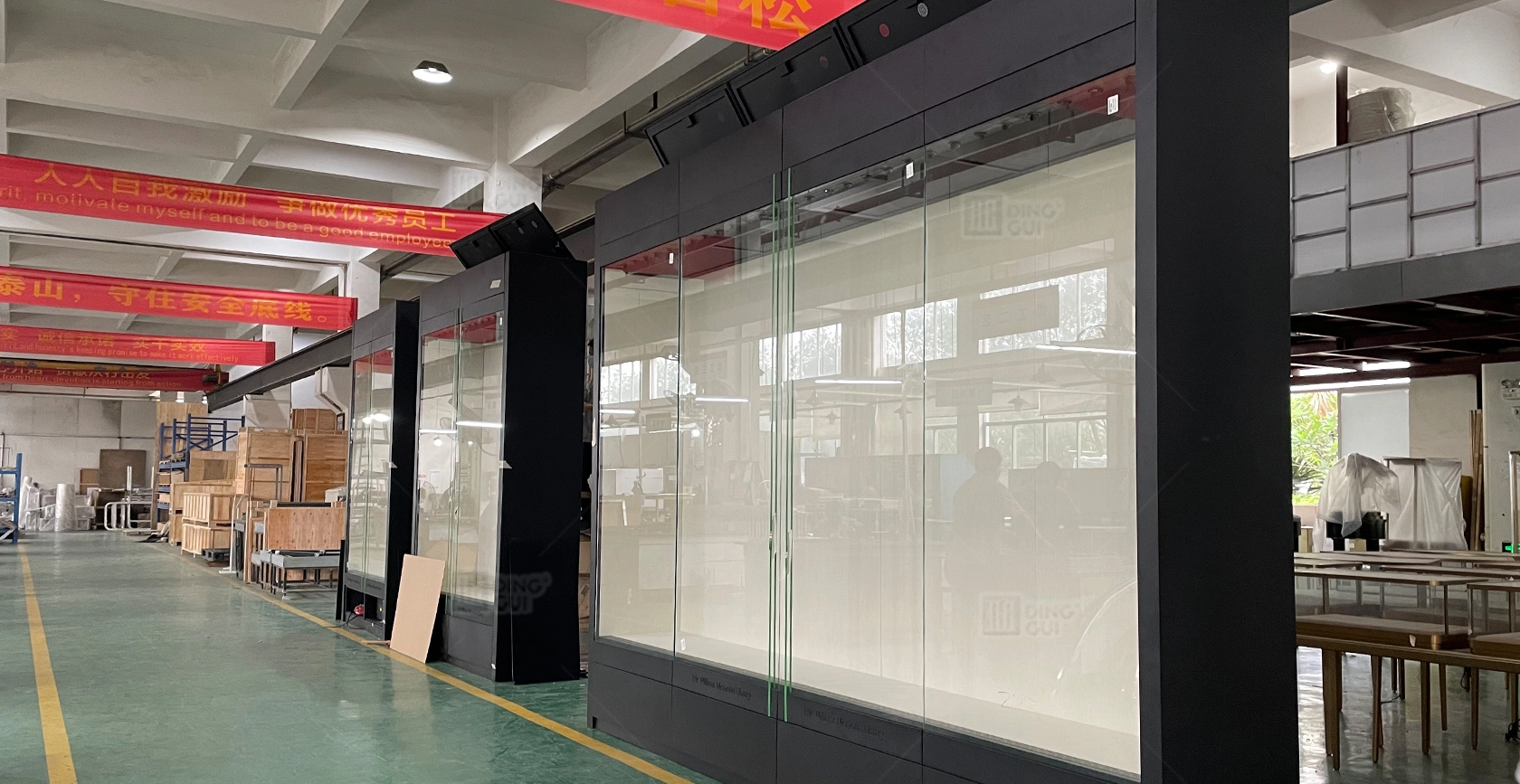
The Future of Museums: SDGs as a Guiding Framework
Emerging trends will further align museums with the SDGs, driven by innovation and collaboration:
1. Smart Sensors and IoT Integration
Future museum display cabinets will be embedded with IoT-enabled sensors that will monitor temperature, humidity, and light in real-time. The British Museum’s pilot project, for instance, employs wireless sensors that send data to centralized dashboards, allowing curators to fine-tune conditions from afar and avoid ruin. These systems also aggregate long-term environmental data that help predict conservation needs.
2. Circular Economy Models
Museums apply to lease or renovation programs to reduce waste. Louvre Abu Dhabi's partnership with modular display designers will allow components to expand the components, exhibitions and product lifecycle. Such a model focuses on the liability consumption of SDG 12 and agrees to reduce material reduction by up to 70% compared to traditional setups.
3. Renewable Energy Integration
Solar Modules and Geothermal Systems operate climate control units and drive SDG 7 (Affordable Energy). The Future Museum in Dubai uses solar-powered displays to achieve net-zero energy consumption, while the California Academy of Sciences uses a living roof with solar cells to compensate for 10% of its energy requirements.
4. Visitor Engagement and Education
Interactive Display educates the public about sustainability. For example, the Smithsonian exhibit, Green Lab, is on display with real-time energy savings from showcases and artefact conservation trips. Through Augmented Reality (AR) Tools, visitors can visualize the environmental impact of a variety of materials and promote environmentally conscious value.
5. Co-innovation
Management Industry Partnerships foster progress. Collaboration between museums, universities and technology companies can provide breakthroughs, such as biodegradable display coatings and carbon negatives. The European Union's Horizon 2020 program funds such initiatives and highlights SDG 17.
Conclusion
SDGS offers museums a transformative roadmap to become sustainability managers. This not only protects cultural heritage but at the same time encourages global change by introducing museum positions with recyclable materials, energy technologies and adaptive designs. Pioneers like the DG Display Showcase prove they can reach ethical innovation and combine time with environmental responsibility. While the museum is developing, its exhibitions serve as windows of the past and blueprints for a sustainable future.
Quick links
Project
Product
China Marketing Center (Showroom):
9th Floor (Full Floor), Zhihui International Building, Taiping Town, Conghua District, Guangzhou
China Manufacturing Center:
Dinggui Industrial Park, Taiping Town, Conghua District, Guangzhou