


Why Is the Museum Experience Not Better? The Key Lies in Flow Design and Display Layout!
Museum exhibition design is not just about showcasing artifacts or artworks; it also involves guiding visitors smoothly through the exhibit space. The clever combination of flow design and display layout can significantly enhance the visitor experience, allowing them to easily browse exhibits while subtly immersing themselves in the theme and context of the exhibition. Here, DG Master of Display Showcase explores innovative ideas and practical applications in museum design from the perspective of integrating flow design with display layout.
1. The Importance of Flow Design
Flow design refers to the planning of routes that guide visitors through the museum. A successful flow design enables visitors to follow a predetermined path naturally, avoiding crowd congestion and presenting exhibits in the best possible sequence and angle. For instance, in a history museum, the flow design could follow a chronological timeline, allowing visitors to view exhibits from ancient to modern times, enhancing their understanding of historical context. Flow design should align with the theme of the exhibition and the psychological characteristics of the visitors. For example, in a war-themed exhibition, the flow could be designed in a spiral ascending format to symbolize the gradual escalation and complexity of war, culminating in a peak display of wartime.
2. Strategies for Museum Display Layout
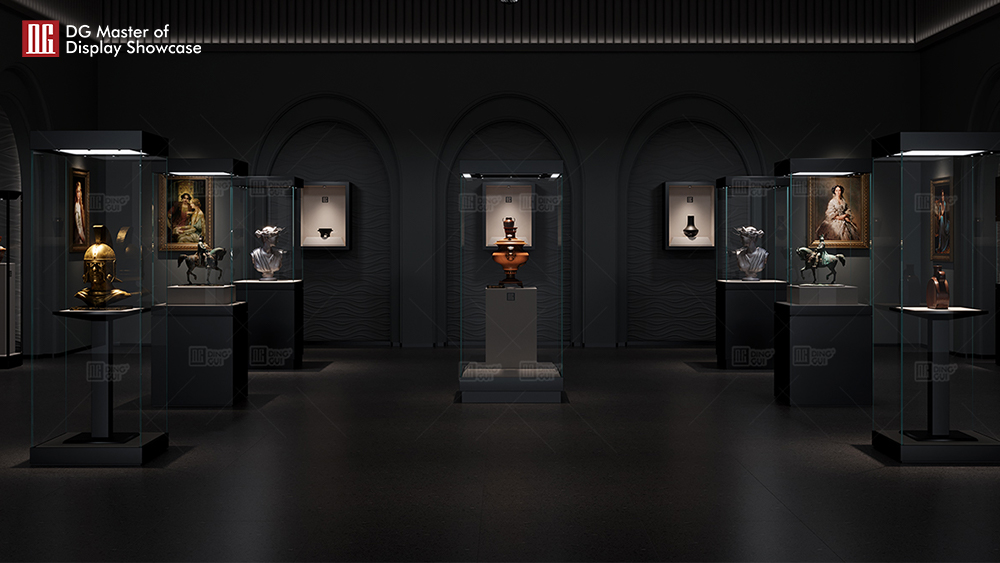
The layout of museum displays directly affects the viewing experience and overall enjoyment of visitors. Layout design must not only consider the display impact of exhibits but also match the flow design to ensure a seamless transition between exhibits. For example, thematically related exhibits can be placed in adjacent displays to avoid visitors wandering back and forth within the exhibit hall. Key exhibits can be positioned at critical points in the flow, directing visitors' attention. In practice, the size, shape, and position of the museum display showcase need to be adjusted according to the flow direction. For example, large museum showcases can be placed at the beginning or end of an exhibition to highlight the main theme or summarize content, helping visitors better engage with or review the exhibition theme.
3. Flow and Layout in Themed Exhibitions
In themed exhibitions, the integration of flow and display layout is particularly crucial. By aligning the flow with the exhibition theme, designers can create a more immersive visitor experience. For example, in an exhibition on ancient civilizations, the flow can be designed as a winding path, guiding visitors from one display to another, as if traveling through time and exploring the essence of different civilizations. In such themed exhibitions, the design of museum displays should closely match the flow. For instance, in a section showcasing ancient Egyptian civilization, the flow could mimic the shape of the Nile River, while the museum display cases are designed to resemble boats or temples, creating a cohesive narrative environment.
4. Flexibility of Flow and Layout
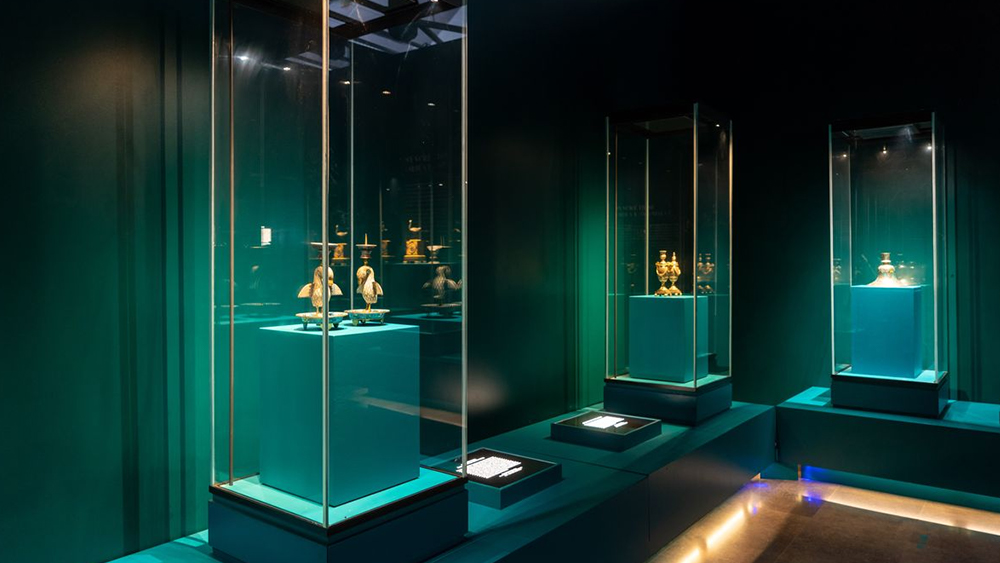
Modern museums frequently update their exhibitions, so flow design and display layout need to be flexible. Modular display designs and adjustable flow arrangements allow museums to quickly adapt layouts to different exhibitions, saving time and costs. Flexible flow design also accommodates diverse visitor needs, enhancing overall comfort. Modular museum displays can be freely combined and arranged according to the exhibition theme, creating various display formats. For example, display cabinets can be designed to rotate or slide, adjusting the display angle according to the flow, and meeting the needs of different exhibitions.
As a leading expert in display design and manufacturing, DG Display Showcase brings 25 years of experience to provide innovative display solutions for museums. We seamlessly integrate flow design with display layout to create a smooth visitor experience while showcasing the unique appeal of exhibits. Whether it's artifact protection or visitor comfort, DG Display Showcase delivers exceptional quality and meticulous service to create the most attractive exhibition spaces. Partner with DG to make every visit an exciting cultural journey.
Quick links
Project
Product
China Marketing Center (Showroom):
9th Floor (Full Floor), Zhihui International Building, Taiping Town, Conghua District, Guangzhou
China Manufacturing Center:
Dinggui Industrial Park, Taiping Town, Conghua District, Guangzhou