




Norwegian History Museum
What common materials are used in museum display showcases?
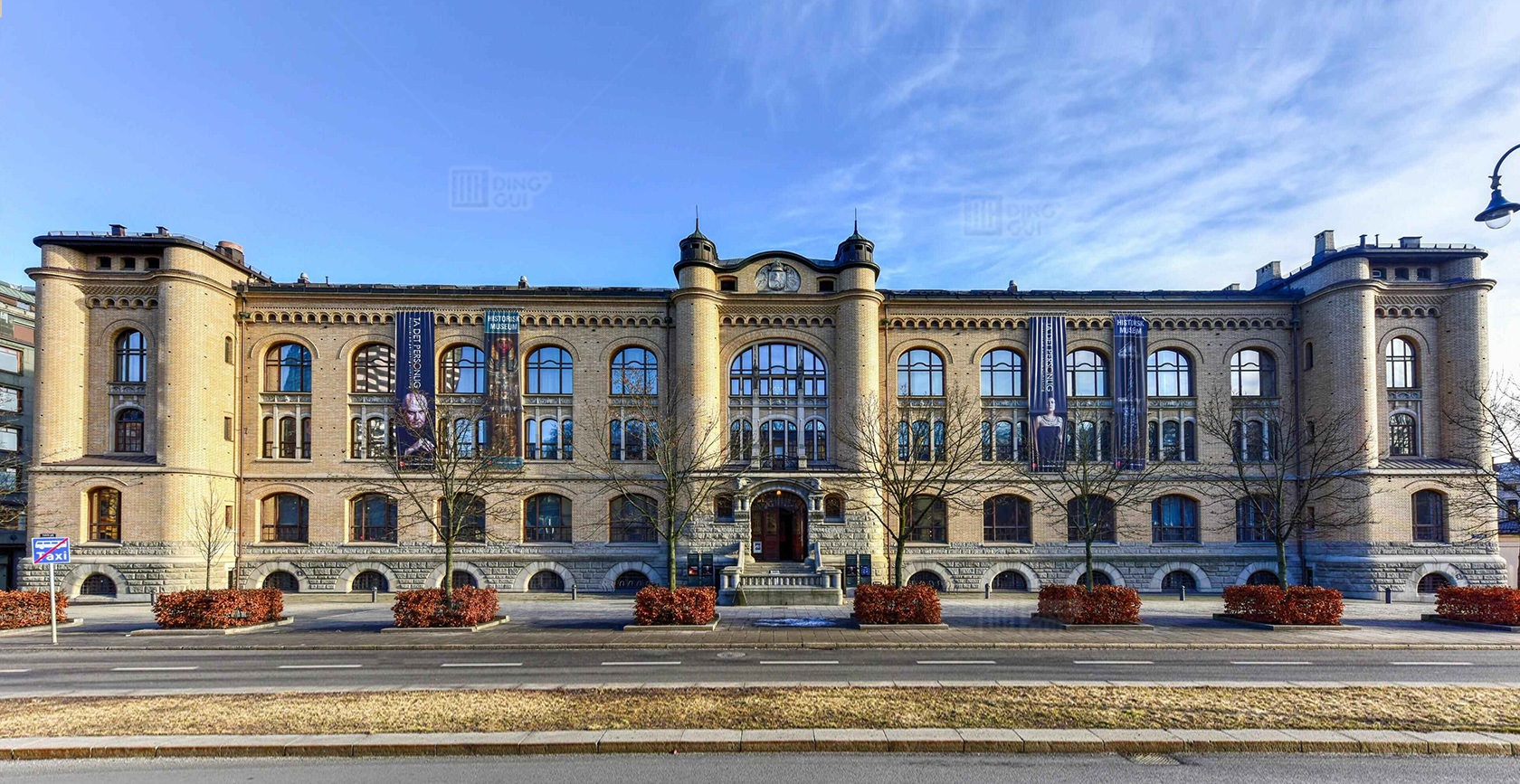
Norwegian History Museum
Norway
Project Briefing and Building Overview: The museum is one of Norway's largest museums of cultural history, and the museum building, built in 1904, is a splendid example of Art Nouveau, richly decorated with a rare mix of Norwegian and international elements. This history museum is a treasure trove, showcasing Norway's historical and cultural heritage, as well as the folklore and traditions of different parts of the country, from the Stone Age to modern times. The museum's exhibitions cover various historical periods from prehistoric times to modern times. It contains a large number of collections and exhibits, including farmhouses, churches, civilian ships, crafts, artwork, clothing, and furniture. One of the main features of the museum is its outdoor exhibits, known as the Norwegian Museum of Cultural History, Norsk Folkemuseum. In this exposition park, you can see restored historic buildings and learn about architectural styles and lifestyles from different eras across Norway. Visitors can feel the atmosphere of past life here and learn about the traditions and culture of the Norwegian people.
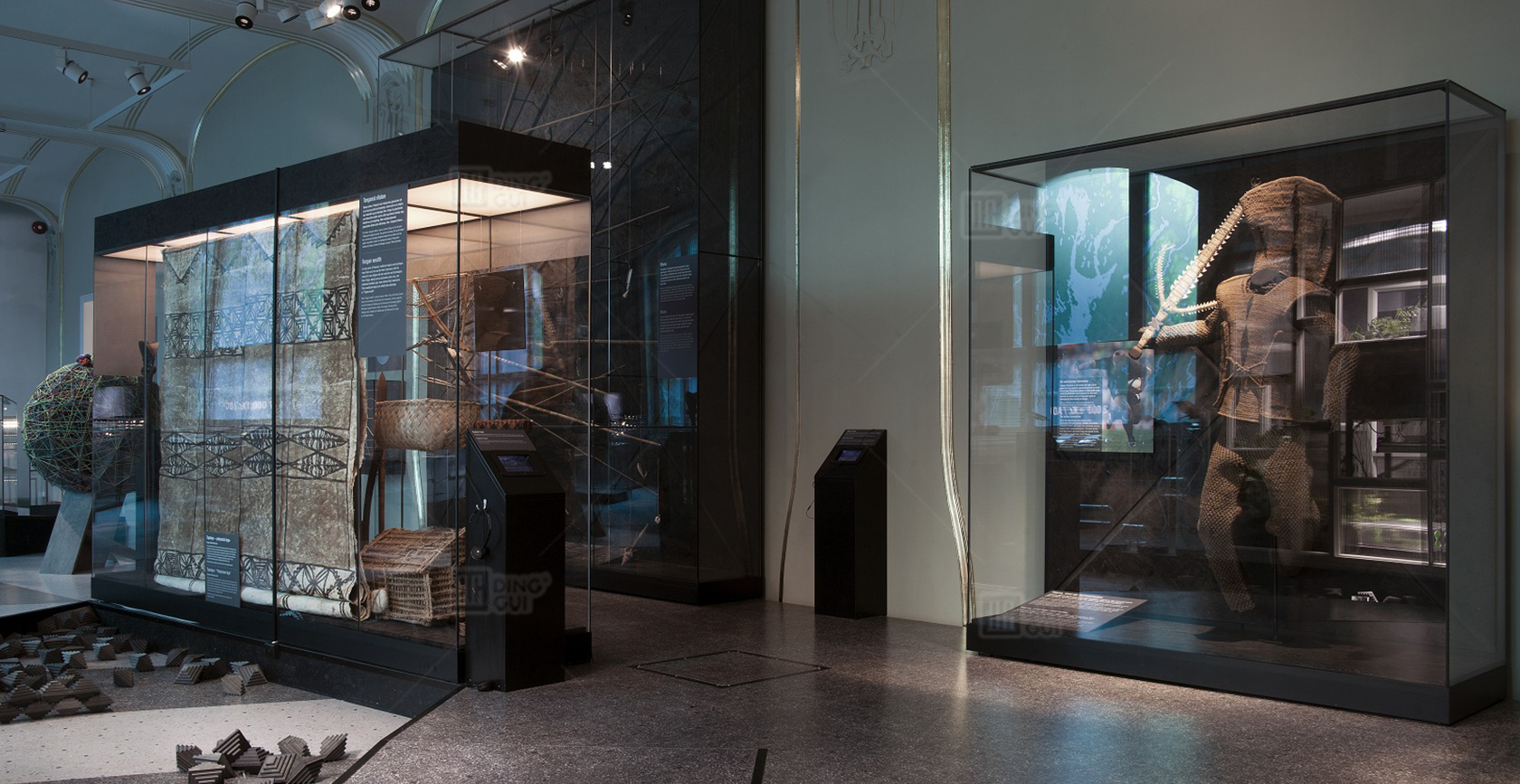
Museum display cabinets are a key component in displaying precious exhibits, and both design and material selection are crucial. When selecting materials, museums often consider a variety of factors, including conservation, display effectiveness and durability. Museum display cabinets typically use a variety of materials designed to protect exhibits, provide display and preservation functions, and ensure that audiences can enjoy the exhibits safely. Here are some common museum display case materials:
1. Cold-rolled steel plate: Cold-rolled steel plate is one of the most common materials, favored for its sturdiness and reliability, suitable for exhibits that display heavier, more expensive, or more historical value.
2. Tempered glass: Tempered glass has the characteristics of impact resistance and explosion resistance. It is often used in the glass panel of the showcase to protect the exhibits from dust, audience touch, or external environment.
3. Acrylic/plexiglass: Acrylic is a light and impact-resistant transparent material. For larger exhibits or showcases that need to be moved frequently, acrylic is often used to replace glass.
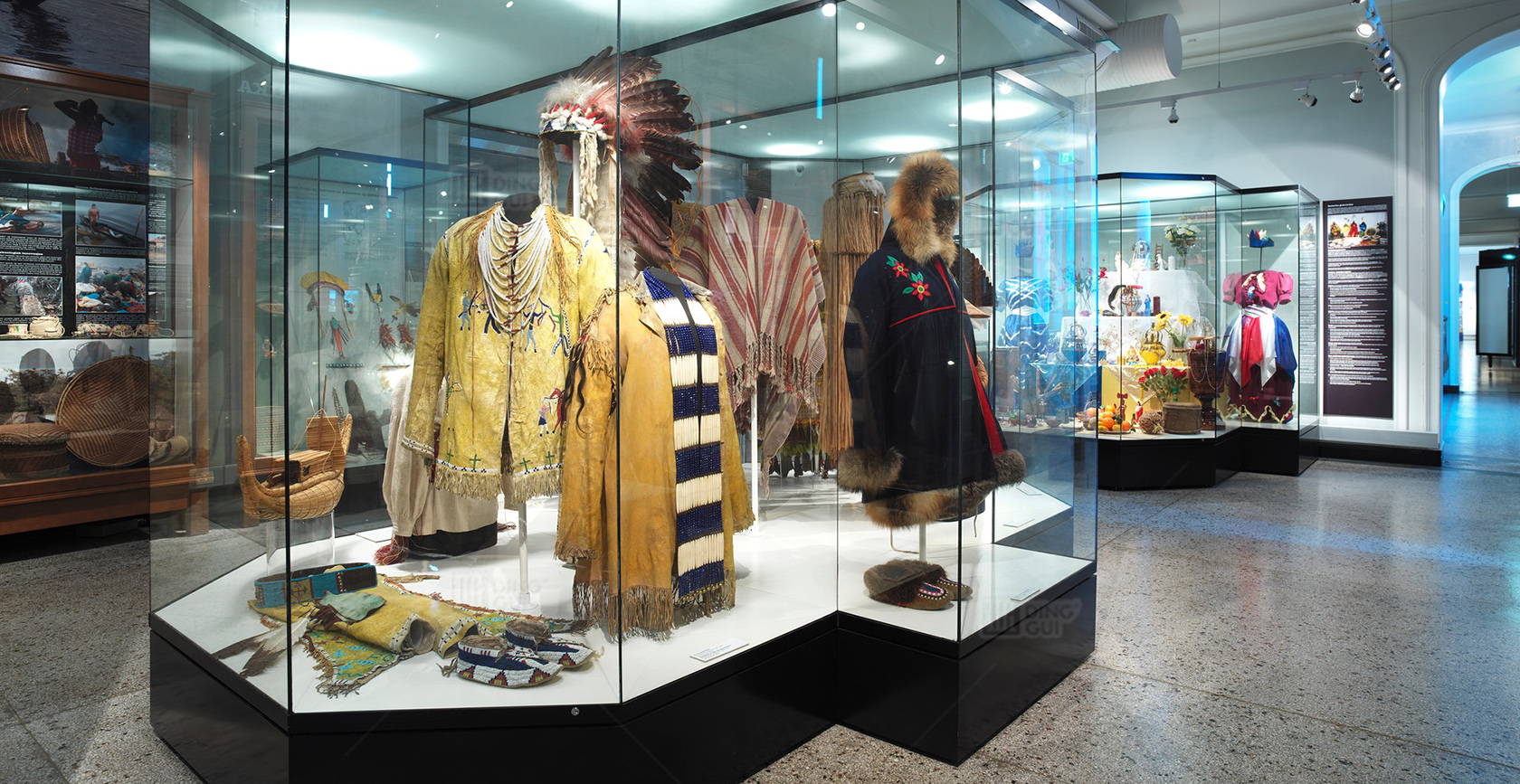
4. Wood: Wooden showcases are suitable for some exhibits, especially museums that need to display ancient or traditional artworks, and wood can be customized according to needs.
5. Aluminum alloy: Aluminum alloy is a lightweight but strong material, often used to make showcase frames or support structures.
6. Plastic/polymer: For special exhibition needs, such as temporary exhibitions or children's exhibitions, plastic or polymer materials may be used to make showcases.
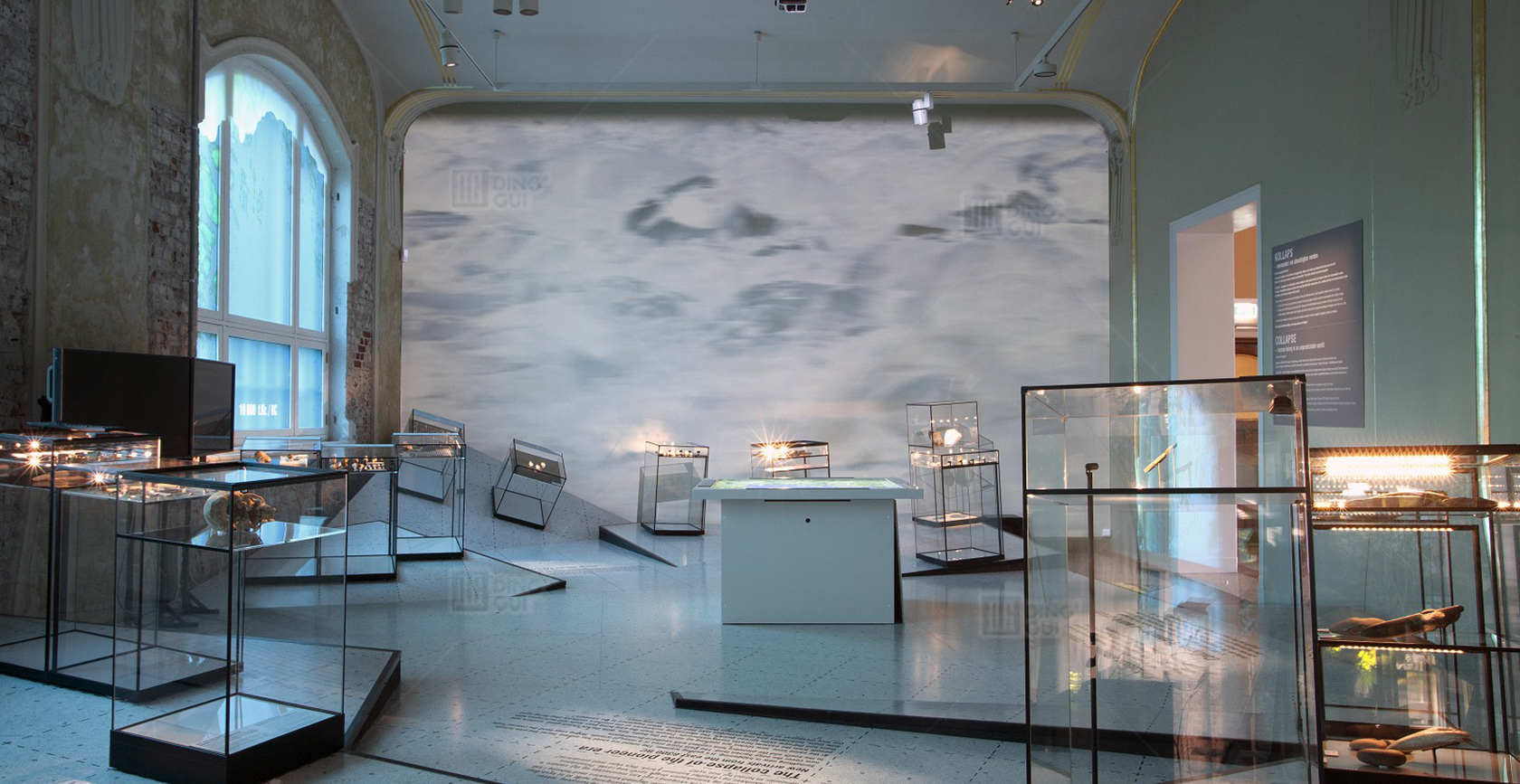
Therefore, when choosing a display cabinet, in addition to meeting the basic requirements, you also need to ensure that the materials used in the display cabinet match the cultural relics to avoid damage to the cultural relics. Different museums can use different material combinations according to the type of exhibits and exhibition requirements to ensure the best display effect and the safety and protection of the exhibits. At the same time, the environmental conditions, fire protection requirements, climate control and other factors of the exhibition space also need to be considered when designing museum exhibits.
DG Display Showcase always strive for excellence to ensure that every process is up to standard. We carefully select materials, equip ourselves with a full set of production and processing equipment, adopt meticulous production techniques, and establish a strict quality control system. Constantly pursue the application of improved materials, structures and processes to set a new example for the display cabinet industry. If you have any questions or needs, please contact DG Display Showcase.
 +86 13610079233
 +86 13610079233

Quick links
Jewelry
Museum
China Marketing Center:
9th Floor(Full Floor), Zhihui International Building, Taiping Town, Conghua District, Guangzhou
China Manufacturing Center:
Dinggui Industrial Park,Taiping Town, Conghua District, Guangzhou