


Exploring the Future of Museum Interactions: A Look at Innovative Smart Museum Displays
Museums have always been a treasure trove of human culture and records, showcasing the improvement of civilizations and retaining their legacies. With improvements in the era, the conventional museum is evolving, and digital museum presentations are at the forefront of this alteration.
These progressive, smart presentations are changing the manner in which museums gift artifacts, supplying dynamic and interactive traveler enjoyment. However, in spite of those advancements, the conventional museum display case remains important for keeping the integrity of cultural relics, mixing the antique with the brand new to create a seamless exhibition revel in.
This article explores the future of museum interactions, diving into the importance of digital museum displays and the evolution of the museum showcase and types of custom museum cabinets. By combining generation with conventional exhibition methods, museums are improving visitor engagement and enhancing the renovation of worthwhile artifacts.
How Digital Museum Displays Are Revolutionizing Museum Experiences
Museums have long served society as important cultural institutions for preserving and presenting artifacts and artworks to the public. In the beginning, the logic of the museum consisted of fixing the relics at specific points and determining the walking route of the visitors. Over time, the strategies employed to showcase these collections have significantly changed, influenced by technological advances and shifting visitor expectations.
Although innovative ideas and unusual presentation techniques are tried in fairs, exhibitions, and art events, the basic argument in museums does not change. A museum's mission to preserve and pass on the historical and cultural items exhibited in the museum to the next generations is as important as displaying them. Smart museum displays have smart panels where temperature and humidity are measured and automatically balanced by sensors. In addition, smart security systems include central warning systems against external interventions.
Modern museums provide digital museum display solutions that enable visitors to learn about the exhibited items with video viewers, digital signs, and interactive communication modules.
Types of Custom Museum Display Cases
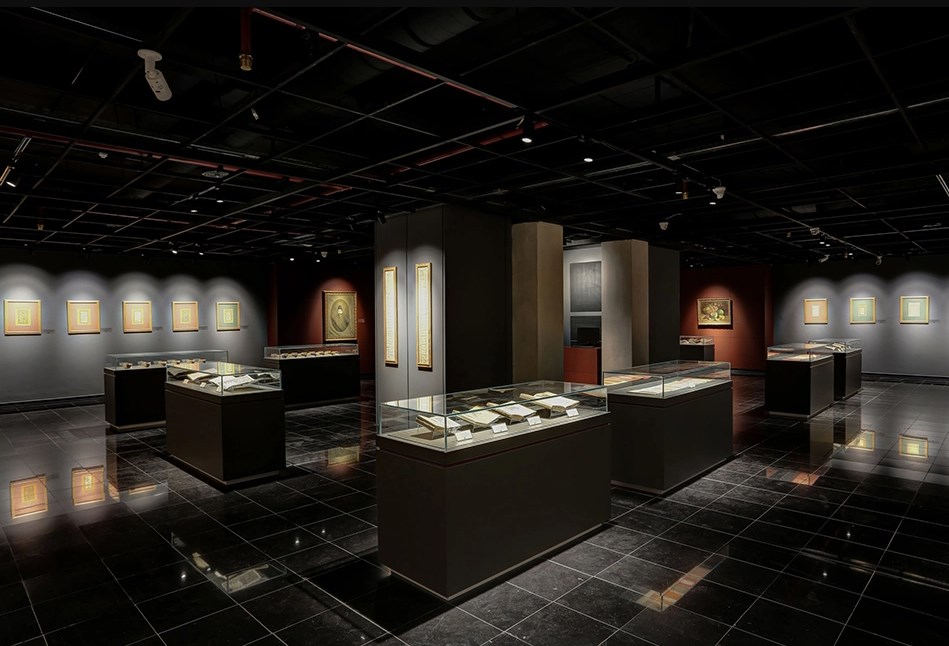
Museums use a variety of display cases to protect and showcase their collections, each designed for different purposes. From digital museum displays to traditional museum display case setups, the display method choice depends on the exhibit's specific needs.
1. Standing Custom Museum Displays
The free-standing museum pedestal display case is one of the most versatile types of cases. It can stand independently, allowing visitors to view artifacts from all angles. These cases are ideal for showcasing key cultural relics, with their 360-degree display enabling a full appreciation of the item. There are various types of pedestal cases, including panoramic independent cases and table-like pedestal cases, each designed to enhance the visitor's viewing experience.
2. Museum Wall Custom Display Cases
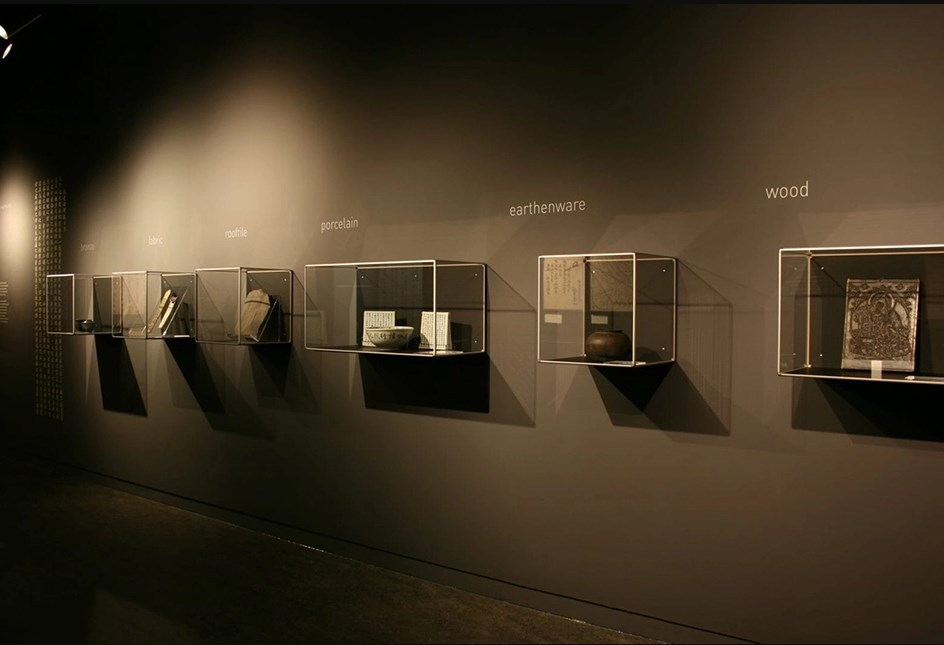
Museum wall display cases are large cabinets either backed against the wall or embedded within it. These cases are ideal for group displays, as they provide a wide exhibition space to accommodate multiple artifacts of varying sizes and materials.
3. In-Wall Display Cases
In-wall display cases, also known as "niche" displays, are embedded directly into the wall. These cases only offer a front view of the artifacts, making them ideal for smaller exhibition spaces. Their compact structure allows for efficient use of the space while providing a high level of security for the artifacts inside.
4. Wall-Mounted Custom Museum Cabinets
Wall-mounted display cases are constantly on the wall, allowing site visitors to view the displayed artifacts carefully. These instances are best for small items, including badges, coins, or specimens that require a more in-depth inspection. The wall-installed design enriches the visible experience of present-day museums by means of taking into account an extra intimate connection between the vacationer and the artifact.
5. Museum Flat Display Cases
Museum flat display cases, also known as table display cases, are typically used to exhibit smaller, flat objects such as manuscripts, paintings, or scrolls. These cases are about one meter in height and are designed to allow easy viewing from above.
6. Museum Display Case with Storage
Storage display cases are a practical option for museums looking to maximize both display and storage space. These cases feature multiple drawers for additional artifacts or materials, allowing for greater collection flexibility. The design is secure and reliable, with easy access for curators to store or swap out items as needed.
The Role of Custom Museum Display Cases in Artifact Preservation
While virtual museum shows have added a brand new way to interact with museum collections, museum display cases stay at the center of retaining those priceless cultural artifacts. Custom display cases are designed to fulfill the particular protection desires of different types of gadgets, consisting of temperature-sensitive artifacts, fragile manuscripts, or ancient sculptures.
These instances provide more than simply physical safety. With climate-managed structures that alter humidity and temperature, museums show instances that save you the deterioration of artifacts because of environmental changes. Additionally, custom cases can encompass advanced light solutions to prevent harm from light publicity while enhancing the visibility of the gadgets on show.
Conclusion
Integrating digital museum displays with traditional museum display case methods is revolutionizing how visitors engage with history and culture. Smart museum displays offer interactive, immersive experiences that enhance understanding and enjoyment.
However, physical display cabinets play an important role in preserving and protecting antiquities. As technology advances, museums must strike a balance between dynamic digital interactions and preserving their collections' integrity by continuously developing digital and physical exhibition solutions. For museums seeking modern and effective display solutions, DG Display Showcase's range of museum display cabinets offers a perfect balance between style, functionality, and protection.
Quick links
Project
Product
China Marketing Center (Showroom):
9th Floor (Full Floor), Zhihui International Building, Taiping Town, Conghua District, Guangzhou
China Manufacturing Center:
Dinggui Industrial Park, Taiping Town, Conghua District, Guangzhou