


5 points to consider before considerations for designing museum display cases
Designing museum display cases.It’s important to ensure that cultural relics are properly protected and preserved while being exhibited.
1.Temperature and Humidity:Maintaining stable temperature and humidity levels within the display case is crucial to prevent damage to temperature-sensitive cultural relics. Unstable conditions can lead to wrinkling, deformation, cracking, and other detrimental effects.
2.Closure:The display case should have good closure to control temperature and humidity, prevent dust, and keep harmful substances out. Ensuring airtightness helps maintain the purity of the air and protects the cultural relics inside.
3.Fire Prevention:Fire prevention measures should be implemented throughout the museum, including exhibition halls and display cases. Display cases, in particular, need to be constructed with fire-resistant materials and equipped with appropriate fire extinguishing systems.
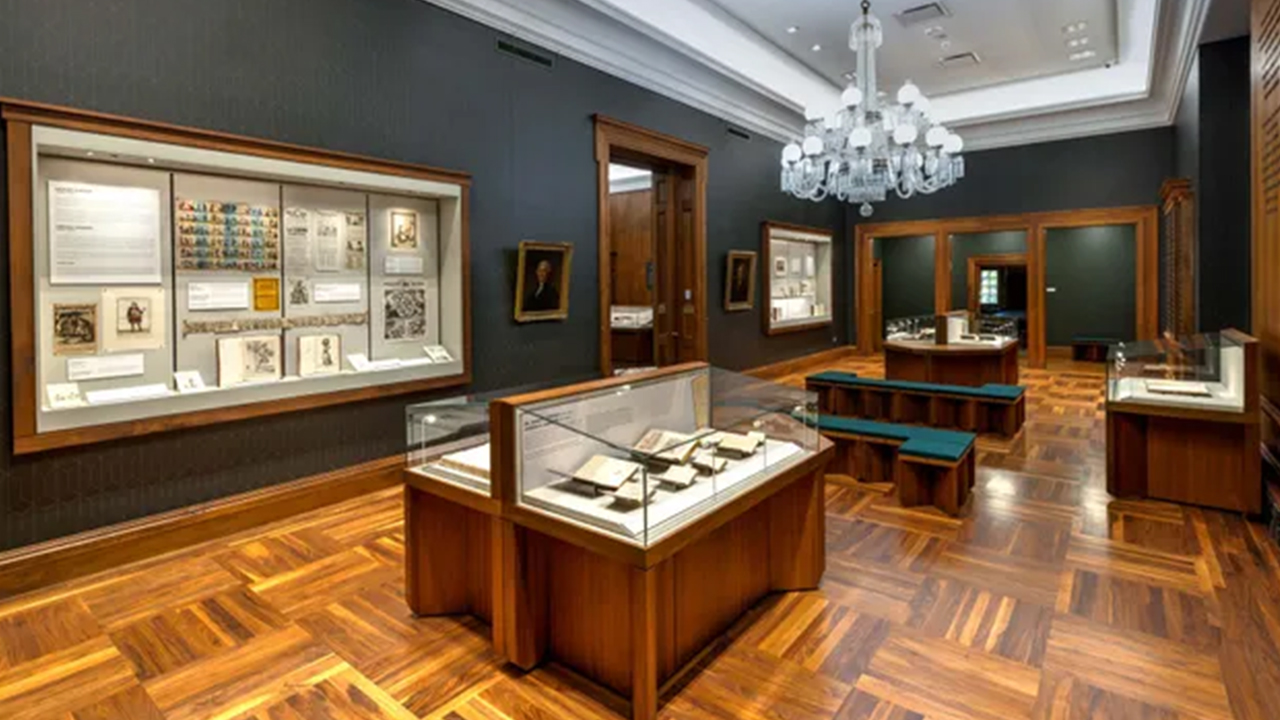
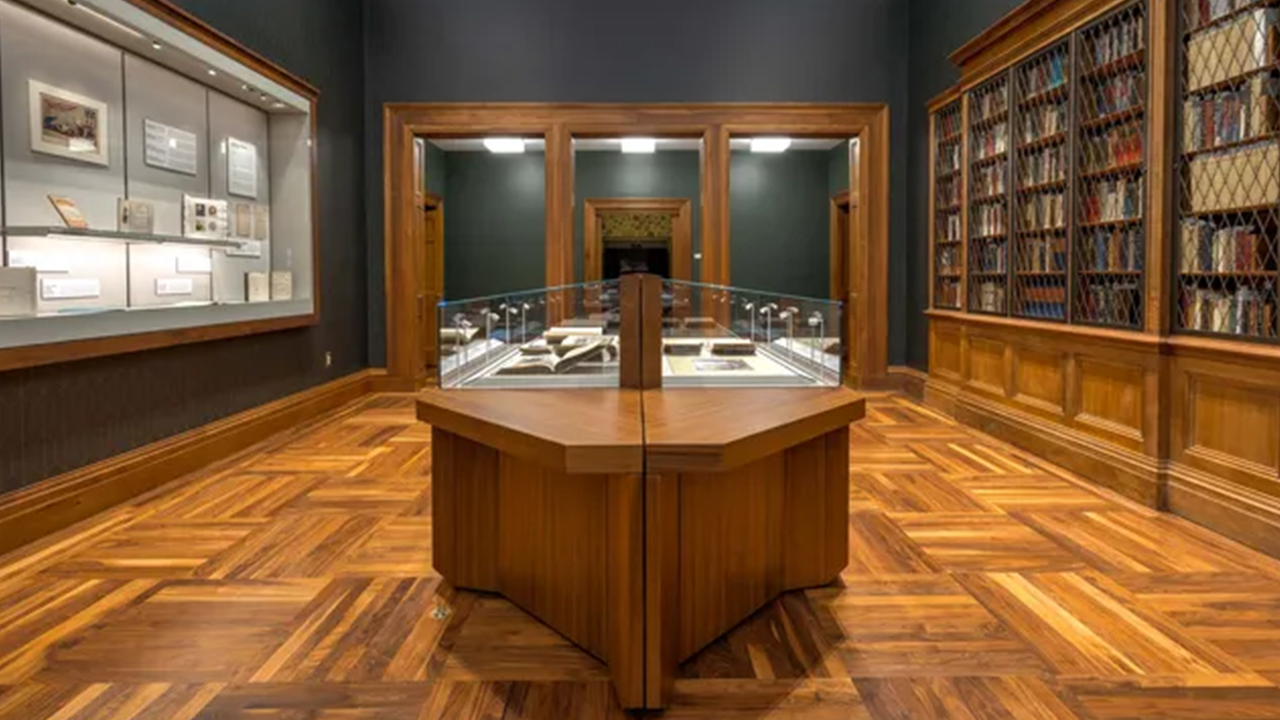
4.Lighting:Proper lighting is essential for creating an effective display and showcasing cultural relics. Lighting should be adjustable to meet the specific requirements of different artifacts, allowing control over brightness, angle, and range. Uniform lighting that avoids glare is crucial for the preservation and presentation of the relics.
5.Accessibility:The design of the display case should consider security and ease of access for exhibition arrangement, removal, artifact exchange, and cleaning. The height, width, and position of the exhibition door should be taken into account to ensure safe and convenient operations.
By considering these factors during the design of museum display cases, museums can provide a suitable environment for the preservation and exhibition of cultural relics, enhancing the overall visitor experience while ensuring the long-term protection of these valuable heritage items.
China Marketing Center (Showroom):
9th Floor (Full Floor), Zhihui International Building, Taiping Town, Conghua District, Guangzhou
China Manufacturing Center:
Dinggui Industrial Park, Taiping Town, Conghua District, Guangzhou